
Quick Answer
Choose an anti-snore pillow when the issue looks positional or CPAP mask clearance is the friction point. Consider a mouthpiece path only when jaw or tongue positioning is the relevant discussion and the sleeper can tolerate an oral device. Avoid both as self-treatment for concerning breathing symptoms.
Browse the Parent Hub
See anti-snore pillow roundups, wedge comparisons, and practical troubleshooting pages for snoring-related searches.
Explore the full Snoring sleep guide hubWhat Matters Most
- best fit: pillow for position or CPAP-clearance issues, mouthpiece path for jaw or tongue-position discussions
- avoid if: snoring has gasping, pauses, severe fatigue, or unclear cause
- better alternative: wedge comparison, pillow-height check, CPAP support, or medical evaluation depending on pattern
- common mistake: treating pillows and mouthpieces as interchangeable because both are marketed for snoring
- setup note: decide whether the problem is head position, torso incline, mask clearance, or oral-device tolerance
Recommended Products
Start with the option that best matches your sleep position, contour preference, and tolerance for a fixed pillow shape.
Pick 1
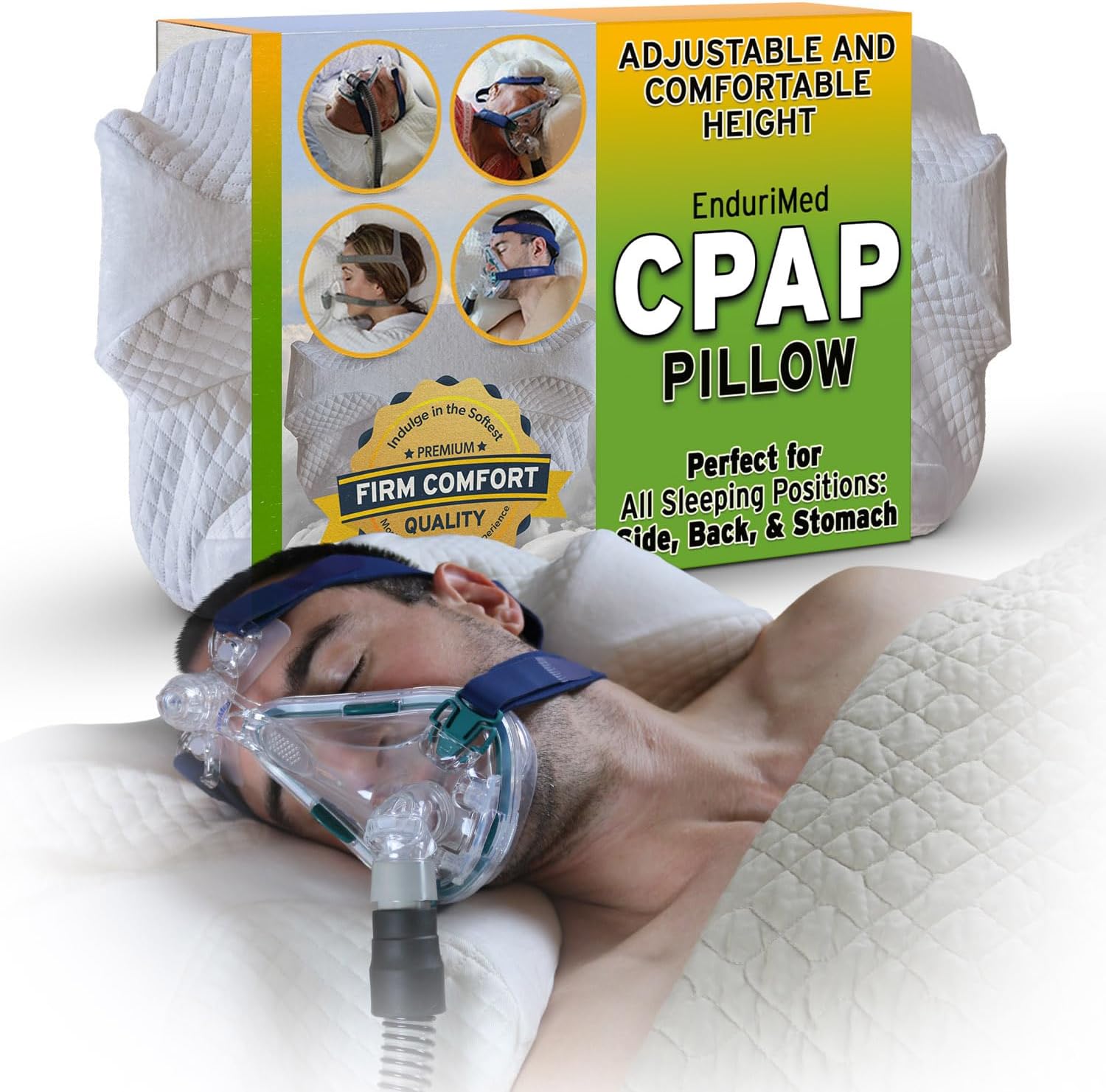
EnduriMed CPAP Pillow
A pillow-side option for readers comparing mask clearance against an oral-appliance path.
Best for: CPAP users whose main problem is pillow pressure around the mask or hose room while side sleeping.
Why it fits this page: On this route, it belongs on the pillow-positioning side of the decision because its shape is meant to make more space around CPAP gear without changing jaw or tongue position.
Tradeoff: Do not choose it as a mouthpiece substitute; if the comparison is really about oral positioning, this pillow is solving the wrong problem.
Check current pricePick 2
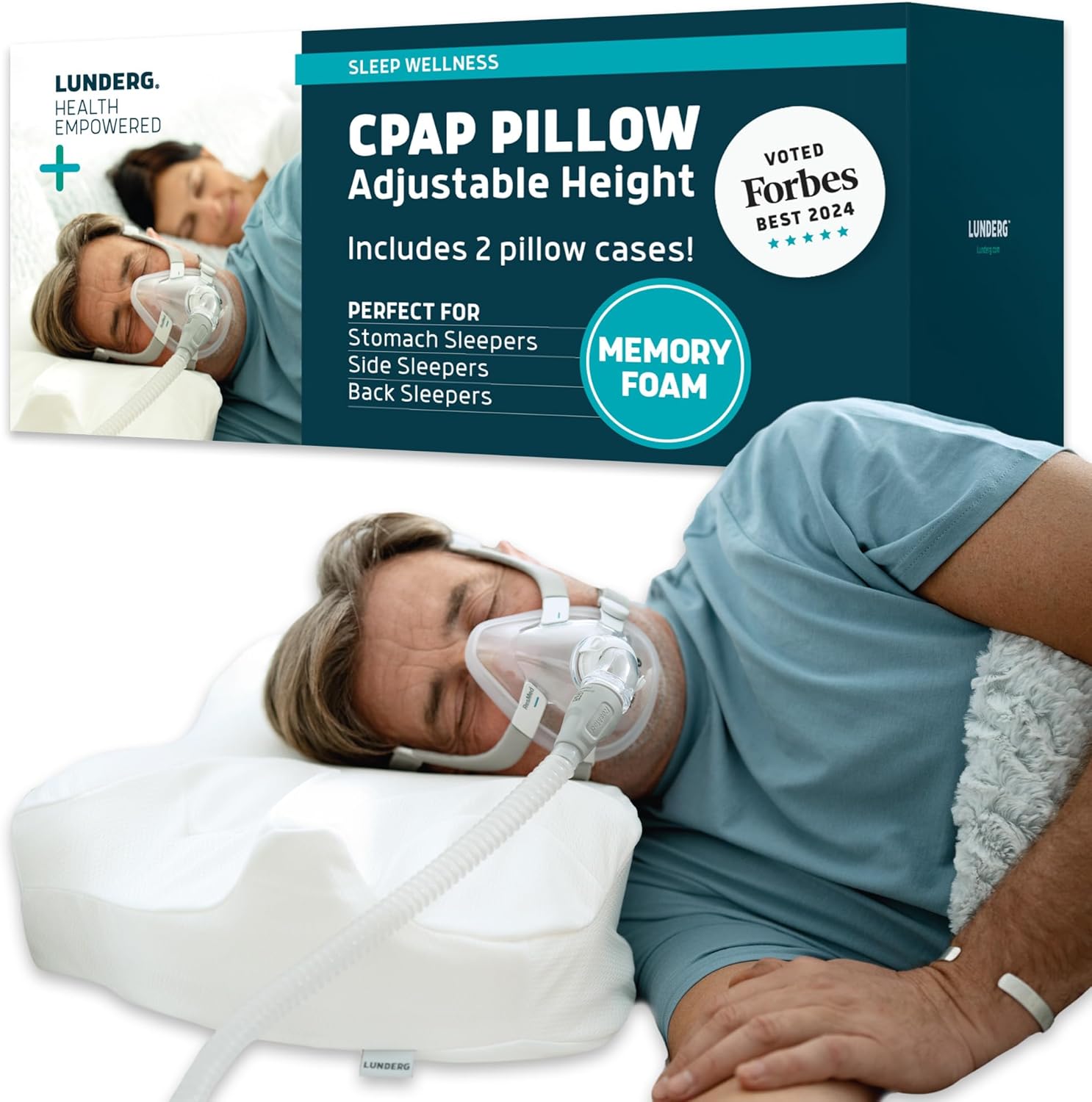
Lunderg CPAP Pillow
A softer pillow-path choice for shoppers who need mask room but are not looking for an oral appliance.
Best for: Side sleepers using CPAP who want a pillow shape that works around the mask without moving to a wedge or mouthpiece decision.
Why it fits this page: It fits this comparison as a head-and-mask positioning product, giving readers a lower-disruption path before considering an appliance-style option.
Tradeoff: Skip it if the goal is jaw-position management or a dentist-directed mouthpiece, because it only changes the pillow contact zone.
Check current priceHow We Chose
We compare mechanism first. A pillow can change contact, height, side-sleep stability, and mask room. A mouthpiece is a separate oral-device decision. We do not score either as a snoring cure or as a substitute for evaluation when breathing warning signs appear.
Pillow positioning versus mouthpiece decision support
Choose an anti-snore pillow when the problem seems tied to pillow height, side-sleep stability, CPAP mask room, or hose clearance. Choose a mouthpiece path only if the real comparison is oral-appliance logic, jaw position, or tongue position rather than pillow shape.
Avoid expecting a pillow to act like a mouthpiece. A pillow can change head position or reduce mask crowding, but it does not move the jaw. Avoid the mouthpiece lane if you mainly need a more comfortable pillow setup or if dental fit, jaw discomfort, or professional fitting questions are the bigger issue.
The comparison failure mode is buying the wrong mechanism: a pillow for a jaw-position problem, or a mouthpiece when pillow height and mask room are the actual friction. If snoring is loud, frequent, or paired with gasping, pauses, morning headaches, or strong daytime sleepiness, the safer next step is medical guidance rather than buying around the symptom alone.
If the pillow-side mechanism is still the better fit, use the anti-snore pillow buying guide.
For expectation setting before either path, review what pillows can and cannot do for snoring.
FAQ
- When is an anti-snore pillow the better comparison?
- An anti-snore pillow is the better comparison when the issue appears positional: chin tuck, poor head support, side-sleep collapse, CPAP mask crowding, or needing room for hose movement. It is still a comfort and positioning aid, not a snoring cure.
- When is a mouthpiece a different path?
- A mouthpiece is a different path when the discussion is about jaw or tongue positioning and the sleeper can tolerate an oral device. That is not the same problem as pillow height, wedge incline, or CPAP mask clearance.
- When should neither option be the next step?
- Neither option should be the next step when snoring includes gasping, breathing pauses, severe fatigue, or a pattern that does not change by position. Those signs should move the decision beyond shopping.
More Snoring Guidance
For the full set of related product picks, comparisons, and setup guides, return to the main topic hub.
Browse all Snoring sleep guides