
Quick Answer
Choose a cervical pillow when the support problem is about neck curve contact, ridge placement, or a shape that keeps flattening out on a standard pillow. Avoid a cervical pillow if the high edge tucks your chin, presses the jaw, or feels wrong when you roll.
Browse the Parent Hub
Compare neck-pain pillow options, setup advice, and buying tradeoffs without digging through scattered pages.
Explore the full Neck Pain sleep guide hubWhat Matters Most
- cervical curve contact
- ridge height and placement
- contour firmness
- back-sleeper chin angle
- side-sleeper shoulder gap
- fixed-shape tolerance
- return path if the contour feels wrong
Recommended Products
Start with the option that best matches your sleep position, contour preference, and tolerance for a fixed pillow shape.
Pick 1
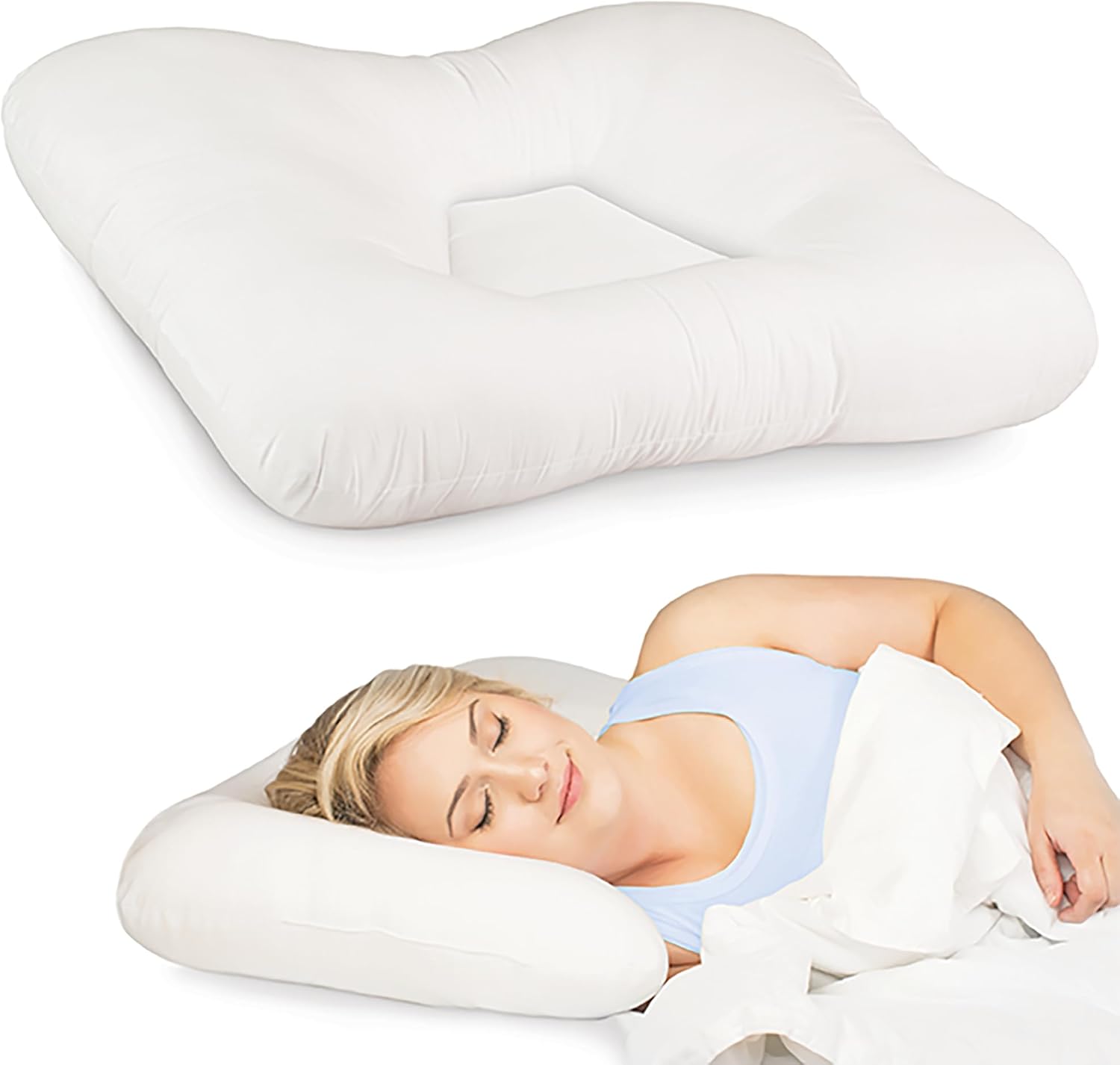
Tri-Core Cervical Support Pillow
A firm cervical-structure option for readers who want the most deliberate shape in this group.
Best for: Shoppers who prefer a structured profile and are comfortable with a less plush pillow surface.
Why it fits this page: It fits the cervical shortlist by representing the firmest shape lane, where the point is structure rather than soft foam hug.
Tradeoff: Do not choose it if you expect cozy memory foam, because the structured feel can be too rigid for casual pillow shoppers.
Check current pricePick 2
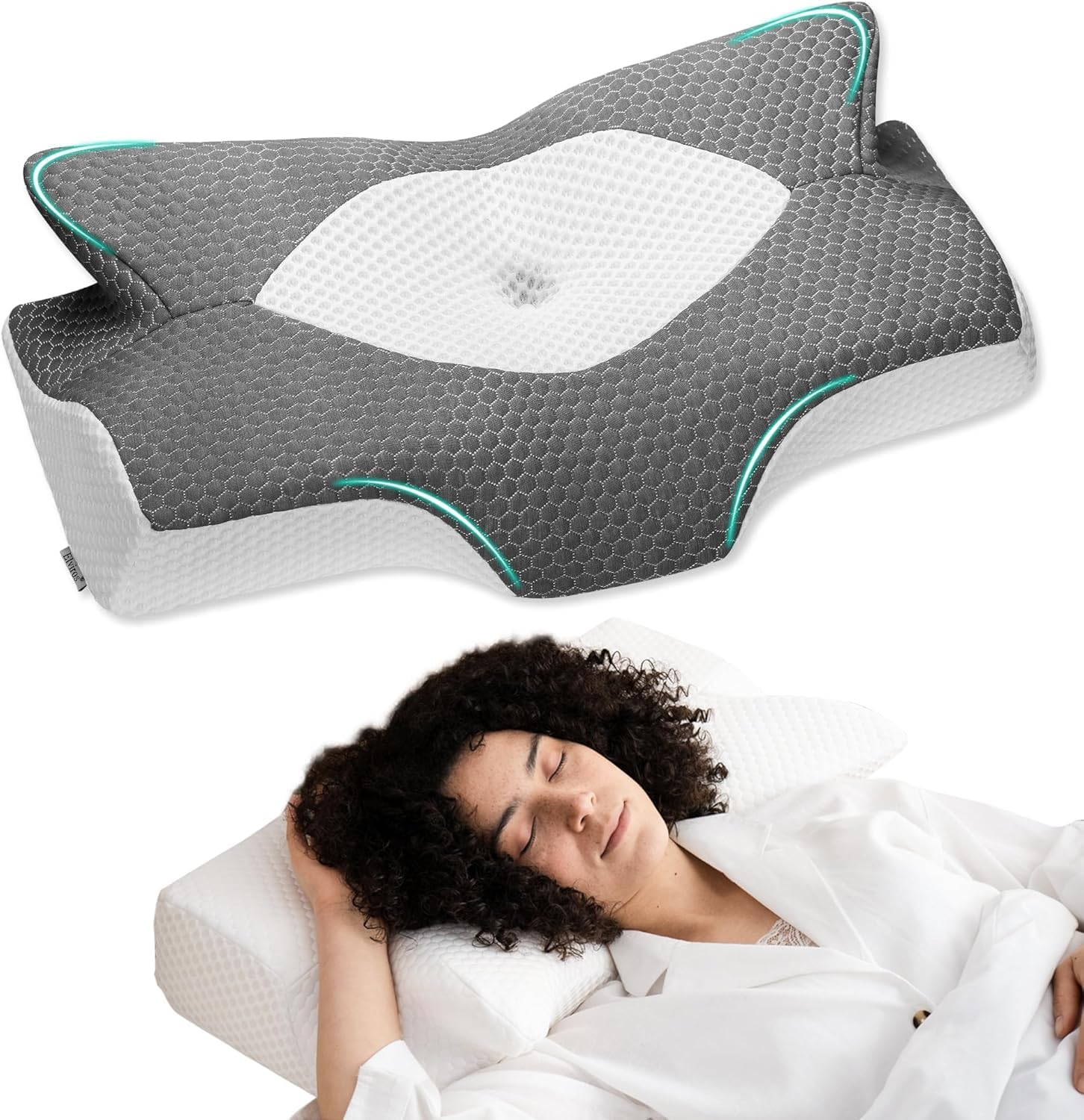
Elviros Cervical Memory Foam Pillow
A guided cervical-contour pick for readers who want the pillow shape to steer head and neck placement.
Best for: Sleepers who already know they prefer a fixed curve and want more structure than a basic contour foam pillow.
Why it fits this page: This route is about cervical shape strength, and Elviros belongs as the middle-to-strong guided option between mild contour and firm cervical structure.
Tradeoff: Skip it if fixed shapes feel restrictive, because the curve may feel too directive when you change positions.
Check current priceHow We Chose
We prioritized cervical pillows that clearly own the structured-support role. The route is intentionally narrow after ownership remediation, so products were judged by contour strength, curve-contact logic, and whether the shape has a clear rejection path if it pushes the head or neck into the wrong angle.
Cervical pillow buyer fit checks
Choose a cervical pillow when you want a deliberate neck contour and are willing to commit to a fixed shape. The fit question is whether the neck roll, head cradle, and pillow height match your usual sleep position after your shoulder and head settle.
Avoid this category if you rotate positions often, dislike guided shapes, need adjustable fill, or are trying to solve sharp, persistent, injury-related, or radiating symptoms with a pillow purchase. A cervical pillow can change comfort mechanics, but it should not be treated as a neck-pain treatment.
The failure mode is confusing stronger shape with better fit. A contour that feels supportive for five minutes can be too directive through the night, while a milder shape may be more realistic for mixed sleepers. Test fixed height, firmness, heat, and shoulder clearance before buying around the cervical label alone.
If you are unsure whether shape or material matters more, use the cervical pillow versus memory foam comparison.
If fixed contour feels too risky, compare adjustable pillow options for neck comfort.
If you are not sure whether contour or loft is the real issue, start with the pillow-height testing guide.
FAQ
- What makes a pillow cervical?
- For best cervical pillow for neck pain, the answer usually depends on the underlying fit problem rather than the most expensive product. Use the page's buying factors to compare support, feel, and adjustment tradeoffs before buying.
- The shape is designed to support the neck curve rather than just raise the head.
- For best cervical pillow for neck pain, the answer usually depends on the underlying fit problem rather than the most expensive product. Use the page's buying factors to compare support, feel, and adjustment tradeoffs before buying.
- Can a cervical pillow feel wrong?
- For best cervical pillow for neck pain, the answer usually depends on the underlying fit problem rather than the most expensive product. Use the page's buying factors to compare support, feel, and adjustment tradeoffs before buying.
- Yes. A contour ridge can be too high, too firm, or poorly placed for your build or sleep position.
- For best cervical pillow for neck pain, the answer usually depends on the underlying fit problem rather than the most expensive product. Use the page's buying factors to compare support, feel, and adjustment tradeoffs before buying.
- Should side sleepers and back sleepers choose the same cervical shape?
- For best cervical pillow for neck pain, the answer usually depends on the underlying fit problem rather than the most expensive product. Use the page's buying factors to compare support, feel, and adjustment tradeoffs before buying.
- Not always. Side sleepers often need shoulder-gap height, while back sleepers need chin angle control.
- For best cervical pillow for neck pain, the answer usually depends on the underlying fit problem rather than the most expensive product. Use the page's buying factors to compare support, feel, and adjustment tradeoffs before buying.
Final Takeaway
Choose a cervical pillow only if you want a guided contour and can tolerate a fixed shape through your normal sleep position. The main failure mode is confusing stronger contour with better fit; if height is still uncertain or symptoms are sharp, persistent, radiating, or injury-related, do not treat a pillow as the treatment.
Start with the pillow-height testing guide if loft, not contour, is still the unclear variable.