
Quick Answer
Choose cervical support when curve contact and ridge placement are the main issues. Choose memory foam behavior when slow contouring, pressure feel, or fixed foam response is the deciding factor. Some pillows are both cervical and memory foam, so the decision should separate shape from material before choosing.
Browse the Parent Hub
Compare neck-pain pillow options, setup advice, and buying tradeoffs without digging through scattered pages.
Explore the full Neck Pain sleep guide hubWhat Matters Most
- shape support
- material response
- contour ridge placement
- foam heat and rebound
- fixed-shape tolerance
- cervical curve evidence
- movement during sleep
Recommended Products
Start with the option that best matches your sleep position, contour preference, and tolerance for a fixed pillow shape.
Pick 1
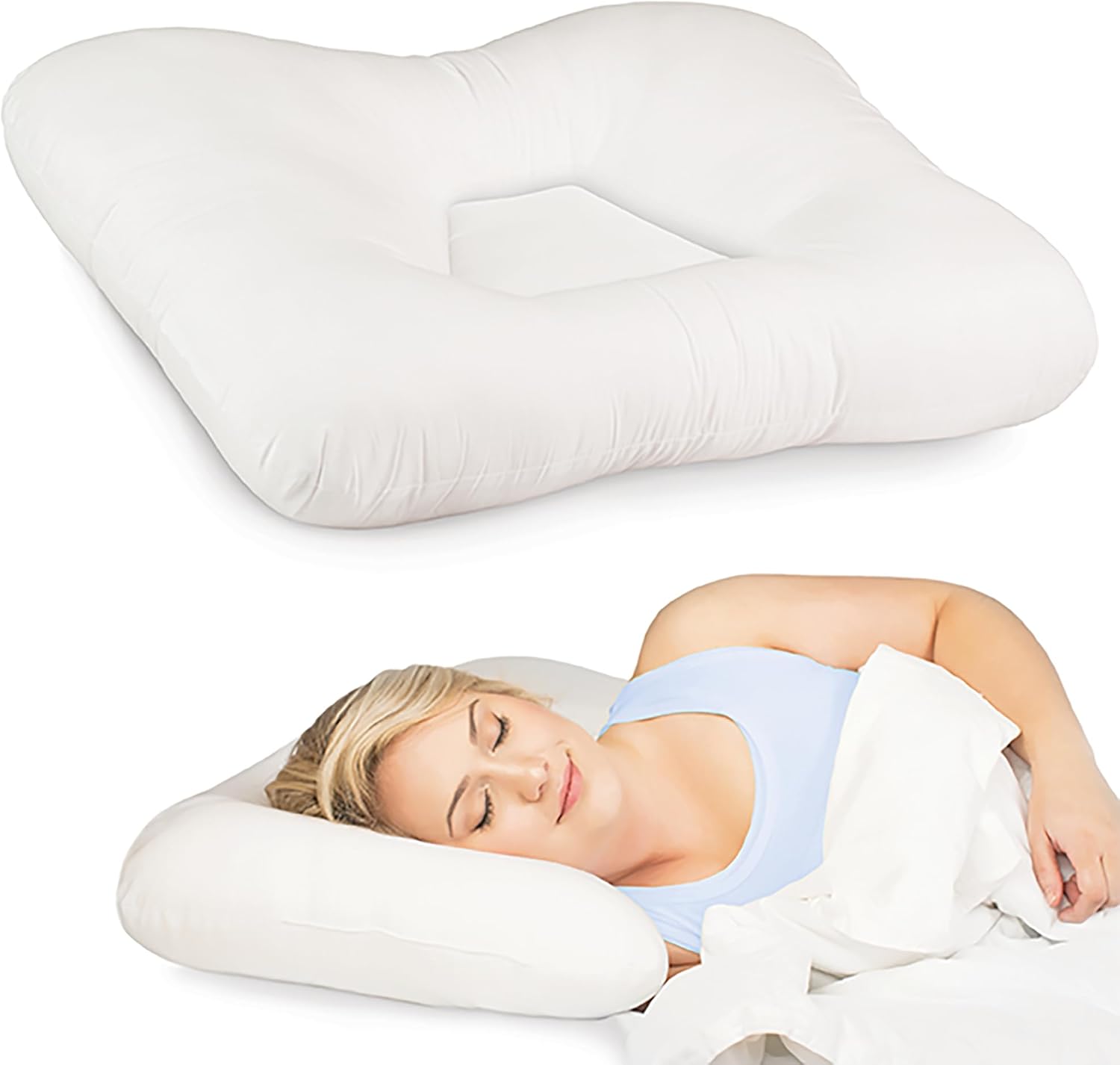
Tri-Core Cervical Support Pillow
A firm cervical-structure pick for readers comparing deliberate shape against softer memory-foam cushioning.
Best for: Shoppers who want the most structured cervical option in this group and are comfortable with a less plush feel.
Why it fits this page: It gives the cervical side a more assertive example: the value is the defined support shape rather than slow foam hug.
Tradeoff: Avoid it if you expect soft memory foam or are still unsure about using a rigid-feeling cervical profile.
Check current pricePick 2
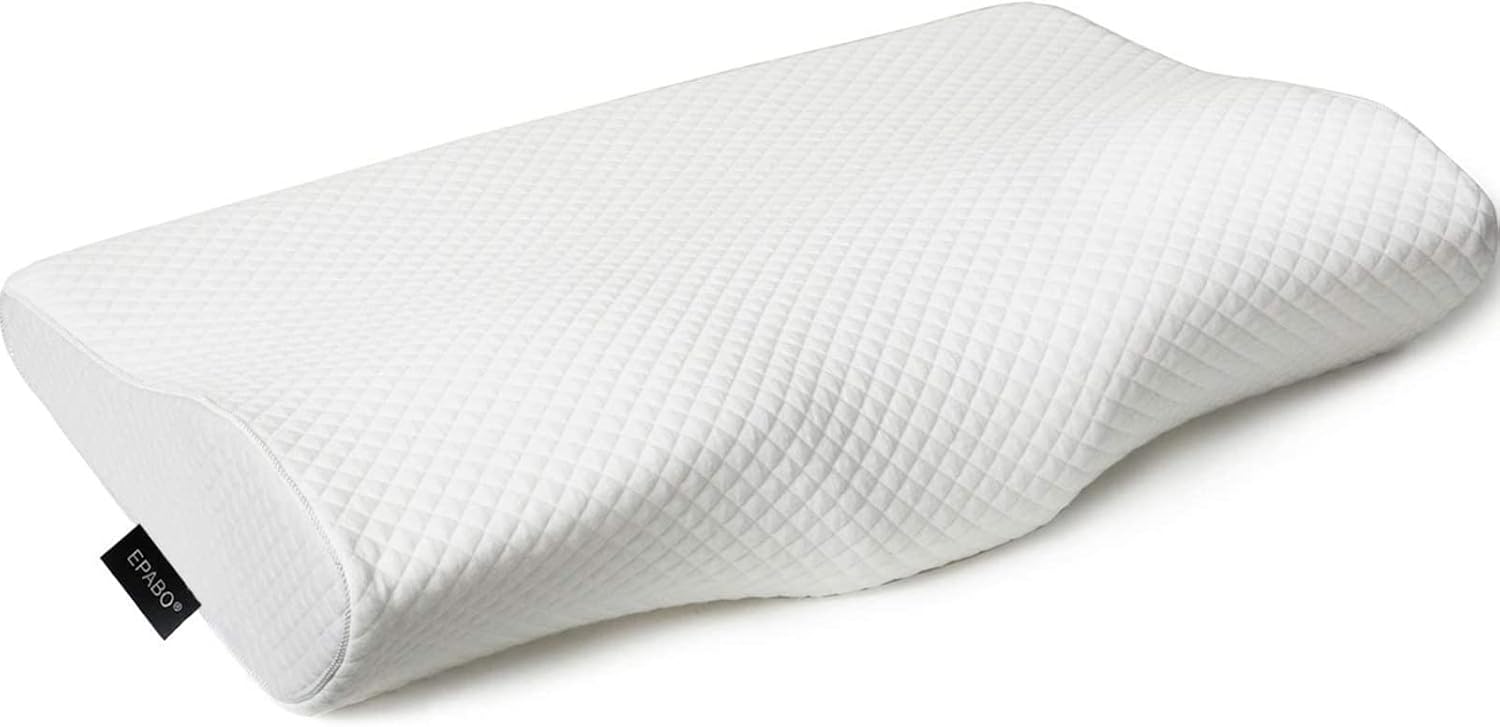
EPABO Contour Memory Foam Pillow
A general contour memory-foam option for readers who want shaping without the firmest cervical structure.
Best for: Sleepers choosing the memory-foam side because they want a molded surface that still feels more familiar than a rigid neck cradle.
Why it fits this page: It helps this comparison separate broad foam contour from dedicated cervical geometry: the product has shape, but the main appeal is cushioning and gradual contour.
Tradeoff: Avoid it if you want a stronger guided curve or a firmer cervical design, because its middle-ground shape may feel too general.
Check current pricePick 3
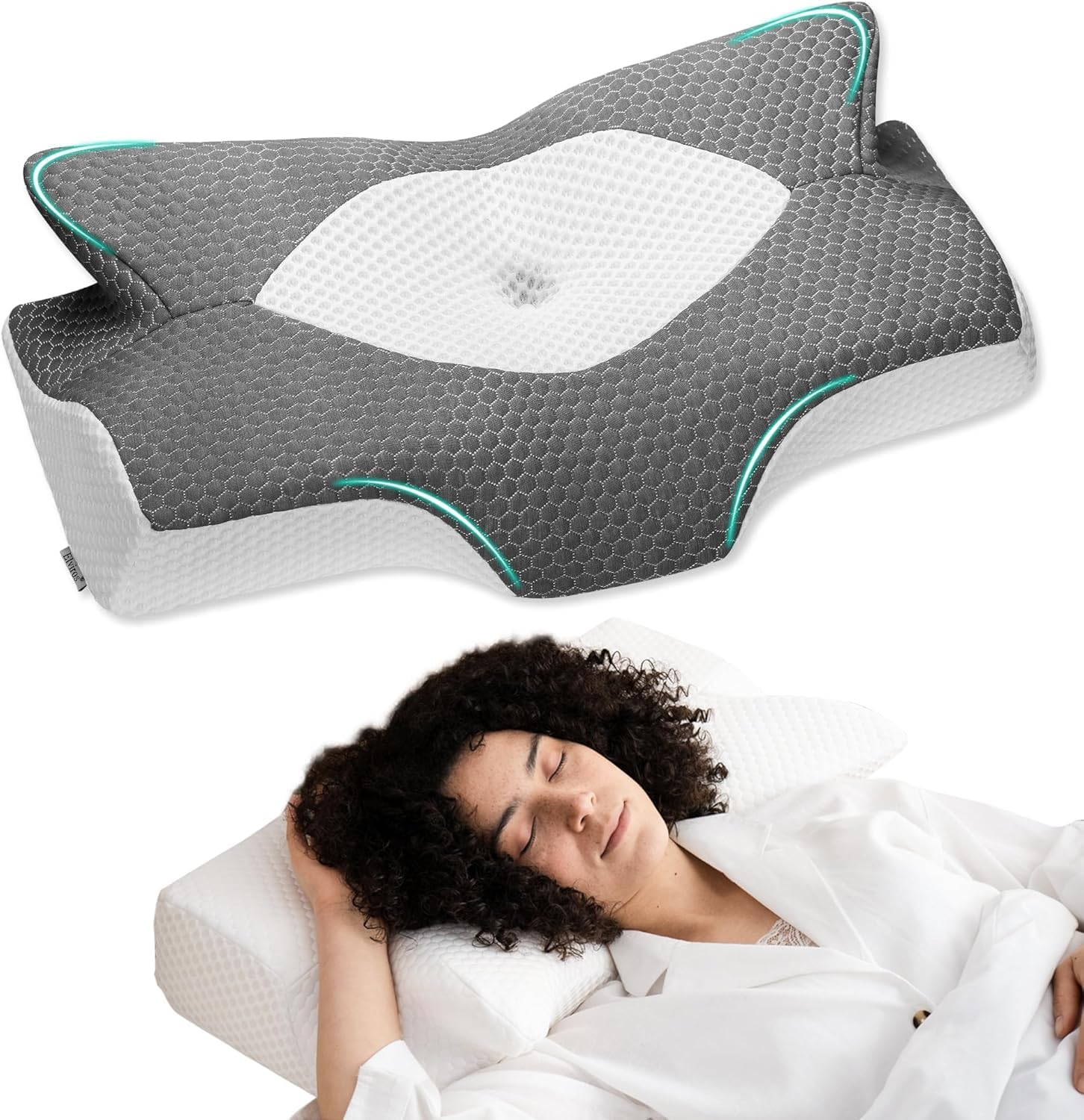
Elviros Cervical Memory Foam Pillow
A cervical-contour option for readers who want a more guided neck curve than standard memory foam.
Best for: Sleepers who already know they prefer a fixed contour and want the pillow to guide head and neck placement.
Why it fits this page: It fits the cervical side of this route because the shape is the decision point, not just the foam material underneath the cover.
Tradeoff: Do not choose it if you dislike fixed shapes or want a more casual foam surface that lets you settle in different positions.
Check current priceHow We Chose
We evaluated this comparison by separating support shape from material feel. Cervical examples needed a clear curve-support role, while memory-foam examples needed a clear contouring or foam-response role. We avoided declaring a universal winner because many products combine both ideas.
Cervical shape versus memory-foam cushioning
Choose a cervical pillow when you want a defined neck curve and are comfortable committing to a fixed shape. Choose a general memory-foam pillow when you want cushioning and contour without as much guided placement.
Avoid cervical shapes if you rotate positions often, dislike a raised neck roll, or cannot tolerate the pillow telling your head where to sit. Avoid general memory foam if it feels too flat, traps heat, rebounds too slowly, or lets the neck drift out of position.
The failure mode is confusing a material with a shape: a memory-foam pillow can still be too flat, and a cervical pillow can still be too directive. The best test is whether the shape still feels correct after your shoulder and head settle. This page can help compare comfort mechanics, but it should not be treated as a diagnosis or a promise that either pillow type will resolve neck pain.
If the shaped-pillow side seems right, compare cervical pillow choices.
If you are still unsure about shape, use the broader neck-comfort pillow picks.
FAQ
- Is a cervical pillow always memory foam?
- For cervical pillow vs memory foam which is better for neck pain, the answer usually depends on the underlying fit problem rather than the most expensive product. Use the page's buying factors to compare support, feel, and adjustment tradeoffs before buying.
- No. Cervical describes the shape, while memory foam describes the material.
- For cervical pillow vs memory foam which is better for neck pain, the answer usually depends on the underlying fit problem rather than the most expensive product. Use the page's buying factors to compare support, feel, and adjustment tradeoffs before buying.
- Which is better for neck pain?
- For cervical pillow vs memory foam which is better for neck pain, the answer usually depends on the underlying fit problem rather than the most expensive product. Use the page's buying factors to compare support, feel, and adjustment tradeoffs before buying.
- Neither is universally better. The better choice depends on whether your evidence points to shape support or material feel.
- For cervical pillow vs memory foam which is better for neck pain, the answer usually depends on the underlying fit problem rather than the most expensive product. Use the page's buying factors to compare support, feel, and adjustment tradeoffs before buying.
- What if a memory foam cervical pillow feels wrong?
- For cervical pillow vs memory foam which is better for neck pain, the answer usually depends on the underlying fit problem rather than the most expensive product. Use the page's buying factors to compare support, feel, and adjustment tradeoffs before buying.
- Check ridge height, heat response, and fixed-shape tolerance before assuming the whole category is wrong.
- For cervical pillow vs memory foam which is better for neck pain, the answer usually depends on the underlying fit problem rather than the most expensive product. Use the page's buying factors to compare support, feel, and adjustment tradeoffs before buying.
More Neck Pain Guidance
For the full set of related product picks, comparisons, and setup guides, return to the main topic hub.
Browse all Neck Pain sleep guides