
Quick Answer
Choose a cooling pillow when the heat pattern is mostly head-level and your room, topper, sheets, and blanket are not the main heat sources. Avoid expecting one pillow to fix a warm room, humid air, a heat-trapping mattress, night sweats, or heavy bedding. Start with the heat source, then compare pillow materials.
Browse the Parent Hub
Browse cooling pillows, hot-sleeper picks, and practical pages about staying cooler overnight.
Explore the full Cooling sleep guide hubWhat Matters Most
- best fit: hot sleepers whose warmth starts at the head, neck, pillowcase, or dense pillow fill
- avoid if: the room, humidity, mattress, topper, protector, or blanket is the main heat source
- better alternative: bedding checklist, bedroom-temperature support, topper checks, or budget cooling pillow path depending on the pattern
- common mistake: buying for cold first touch while ignoring loft, fill airflow, pillowcase thickness, and return flexibility
- setup note: test the pillow with a simple breathable pillowcase before judging whether the pillow itself runs warm
Recommended Products
Start with the option that best matches your sleep position, contour preference, and tolerance for a fixed pillow shape.
Pick 1
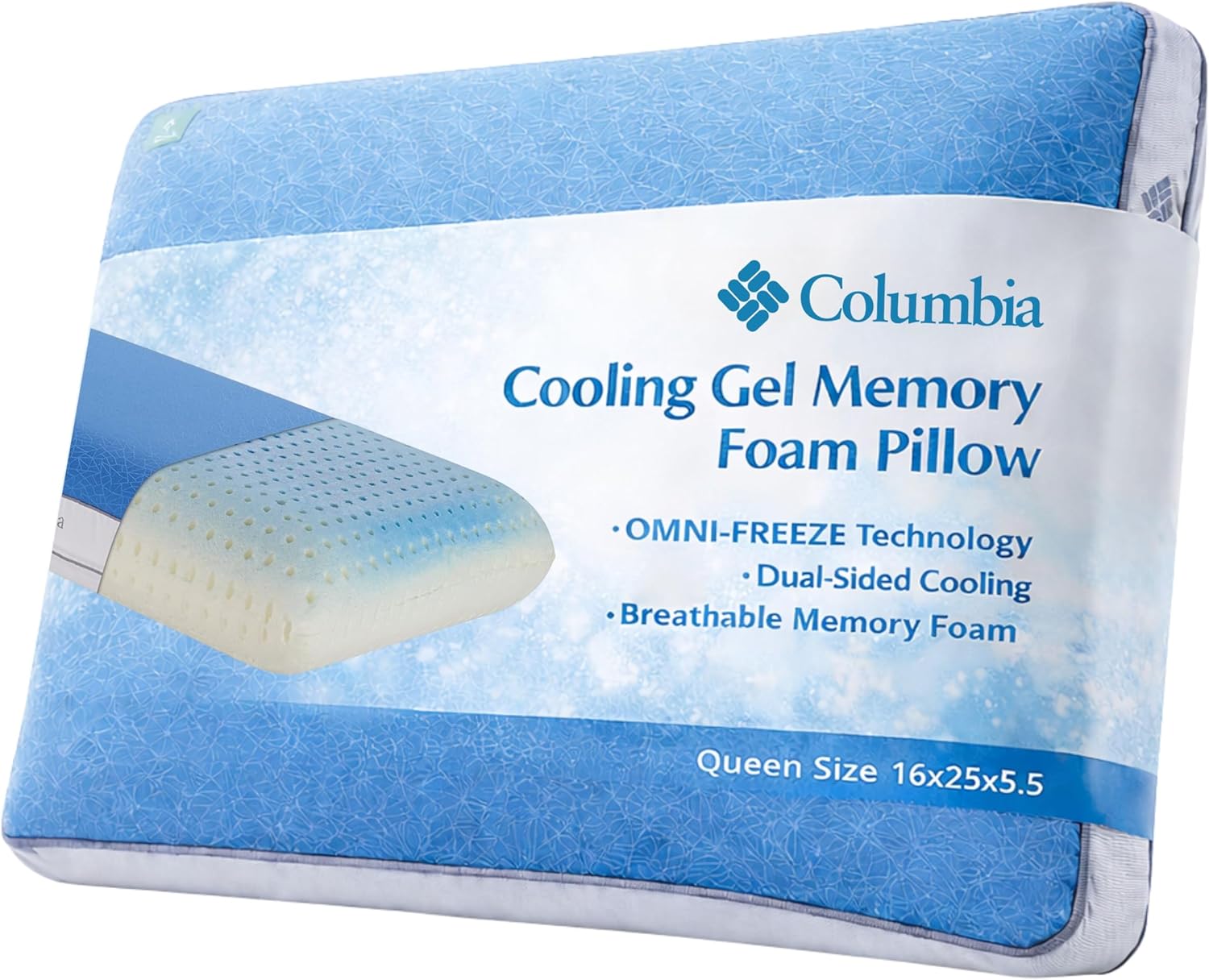
Columbia Cooling Gel Memory Foam Pillow
A cooling-foam option for readers who want a more structured pillow feel with a recognizable cooling angle.
Best for: Hot sleepers who prefer molded foam support and want cooling features without moving into luxury pricing.
Why it fits this page: It fits the main cooling-pillow page as the middle lane: more cooling-specific than a hotel-style pillow, but less expensive and less premium-feeling than the TEMPUR option.
Tradeoff: Skip it if foam shape is the problem, because the cooling surface does not change the fact that this is still a molded pillow.
Check current pricePick 2
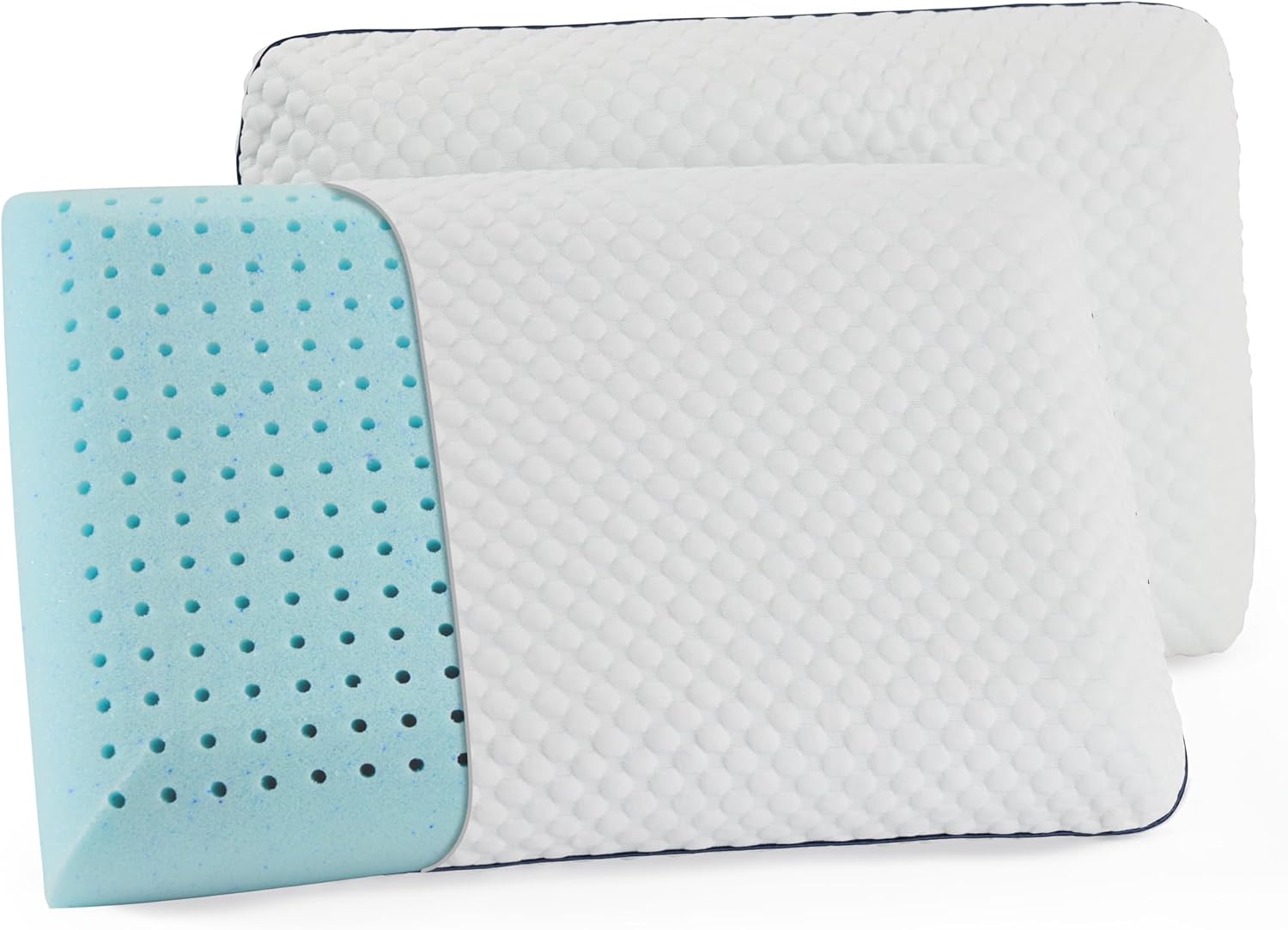
Weekender Gel Memory Foam Pillow
A straightforward gel memory foam pillow for readers who want the cooling category in its simplest value form.
Best for: Shoppers who want to test a gel-foam cooling pillow before spending more on premium foam or specialty covers.
Why it fits this page: This broad cooling route needs a clear entry point, and Weekender fills that role with a simple pillow-level cooling attempt rather than a full bedding-system change.
Tradeoff: Avoid it if you need a cooler-feeling cover, adjustable loft, or a less foamy response, because its value is basic gel memory foam.
Check current pricePick 3
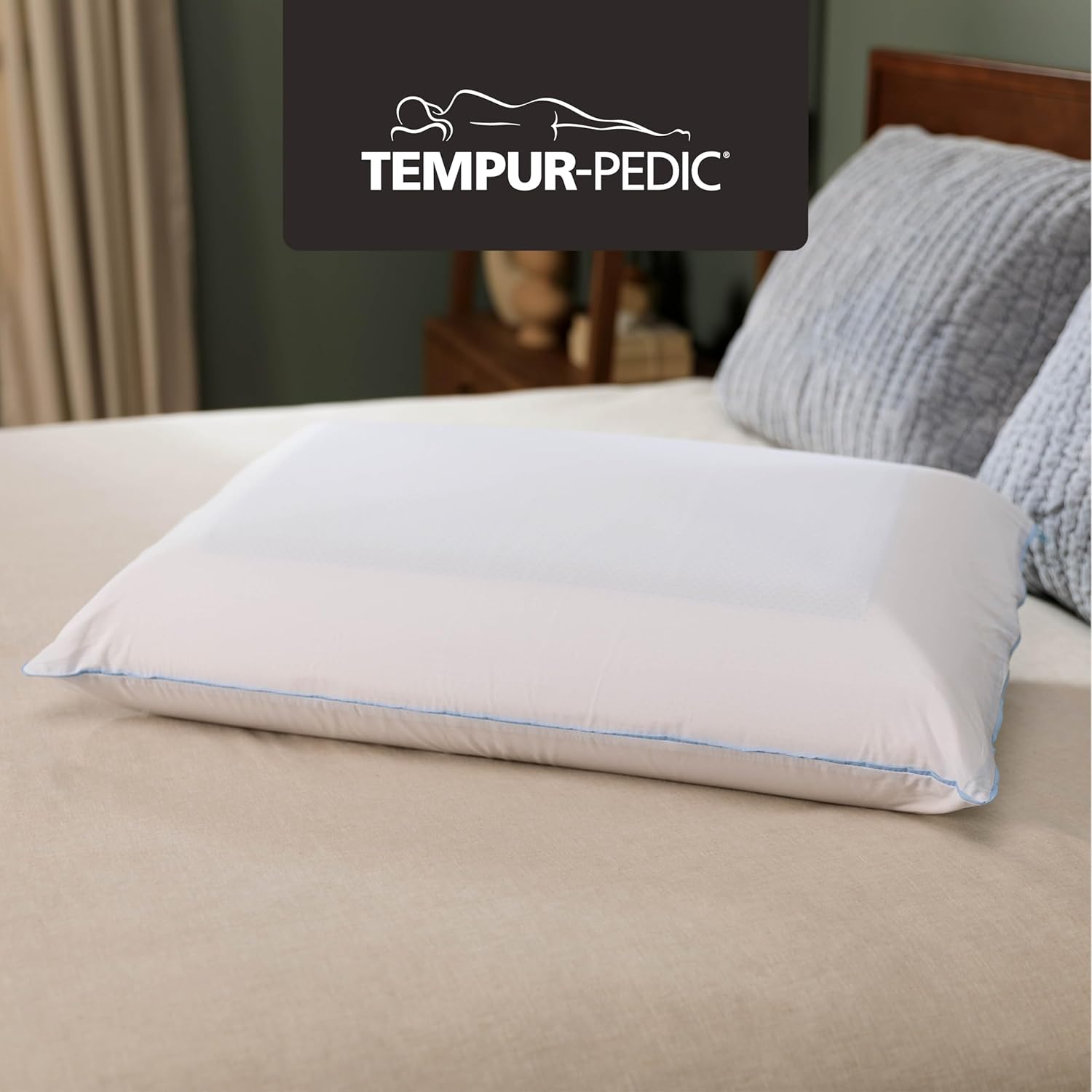
TEMPUR-Pedic TEMPUR-Cloud Dual Cooling Pillow
A premium foam-side cooling pick for readers who want a more substantial pillow feel and cooling materials in the same product.
Best for: Hot sleepers who already like dense foam and are willing to pay more for a more polished cooling-pillow experience.
Why it fits this page: It belongs on the main cooling page as the higher-commitment option: better for shoppers comparing premium foam feel than for buyers chasing the cheapest cooling cue.
Tradeoff: Do not choose it if dense foam tends to feel warm or restrictive to you, because the cooling layer does not make it a light, airy pillow.
Check current priceHow We Chose
We evaluated cooling pillows by the specific heat source they can affect: the head-and-neck contact zone. Products were stronger when they paired breathable fill, usable loft, washable covers, and credible airflow with realistic expectations. We did not reward claims that imply a pillow can cool the mattress, room, humidity, or full-body overheating.
Cooling pillow buyer checks before comparing picks
Choose a cooling pillow when heat is concentrated around the head and neck and your current pillow otherwise has the right height and shape. The best candidates are not just cold to the touch; they keep enough loft, allow airflow through the cover and fill, and remain tolerable after the first cool surface feel fades.
Avoid this category if the whole bed runs hot, a dense pillowcase or protector is blocking airflow, or the product would force you into the wrong loft just to chase a cooling label. A cooling pillow cannot fix warm sheets, heavy blankets, poor room airflow, or a mattress layer that traps heat under the whole body.
The setup test is to remove obvious heat blockers first, then compare pillows by heat pathway, fill density, cover feel, washability, and sleep-position fit. If the pillow is not the main heat source, a broader hot-sleeper setup check will be more useful than replacing another pillow.
If you are not sure whether the pillow is the heat source, start with the cooling pillow troubleshooting guide.
If the pattern is bigger than one cooling surface, compare the hot-sleeper pillow buying guide.
If price is the main constraint, use the budget cooling pillow options to separate value from weak cooling claims.
FAQ
- Who is a cooling pillow best for?
- A cooling pillow is best for sleepers whose warmth starts around the head, neck, face, pillowcase, or dense pillow fill. It is a targeted head-level comfort change, not a whole-room or whole-bed cooling fix.
- When will a cooling pillow disappoint?
- It will disappoint when the room is warm, humidity is high, the mattress or topper traps heat, the blanket is too heavy, or overheating feels sudden and unusual. In those cases the pillow may feel nicer while the main heat source remains.
- What should you check before buying?
- Check whether heat starts at the pillow, whether a thick pillowcase or protector blocks airflow, whether the loft fits your sleep position, and whether bedding or room heat is the stronger clue.
Setup FAQ
- Why does my cooling pillow stop feeling cool?
- A cooling pillow can warm up as it absorbs body heat, especially when the room is warm, airflow is poor, or a dense pillowcase or protector sits between you and the cooling surface.
- Can a pillowcase cancel out a cooling pillow?
- It can change the feel. A thick, dense, or less breathable pillowcase can reduce how much of the cooling surface you actually feel.
- Should I fix the room before replacing my cooling pillow?
- If the whole bedroom or bedding stack feels warm, check room temperature, airflow, blankets, sheets, and protectors before assuming the pillow alone is the problem.
More Cooling Guidance
For the full set of related product picks, comparisons, and setup guides, return to the main topic hub.
Browse all Cooling sleep guides