
Quick Answer
The best pillow for hot sleepers is the one that reduces head-and-neck heat without sacrificing fit. Look for breathable fill, stable loft, a simple cover, and a shape that works in your sleep position. Skip a pillow-first fix when the bed surface, room temperature, humidity, or night-sweat pattern is the real issue.
Browse the Parent Hub
Browse cooling pillows, hot-sleeper picks, and practical pages about staying cooler overnight.
Explore the full Cooling sleep guide hubWhat Matters Most
- best fit: sleepers whose heat starts around the pillow, face, neck, or pillowcase
- avoid if: warmth starts under the torso, inside the topper, under a blanket, or throughout the room
- better alternative: cooling bedding checklist, room-temperature support, breathable sheet comparison, or topper setup checks based on the heat source
- common mistake: choosing cooling fabric while ignoring pillow height, dense foam, pillow protector heat, and usual sleep position
- setup note: compare one night with a lighter pillowcase and one night with the current case before replacing the pillow
Recommended Products
Start with the option that best matches your sleep position, contour preference, and tolerance for a fixed pillow shape.
Pick 1
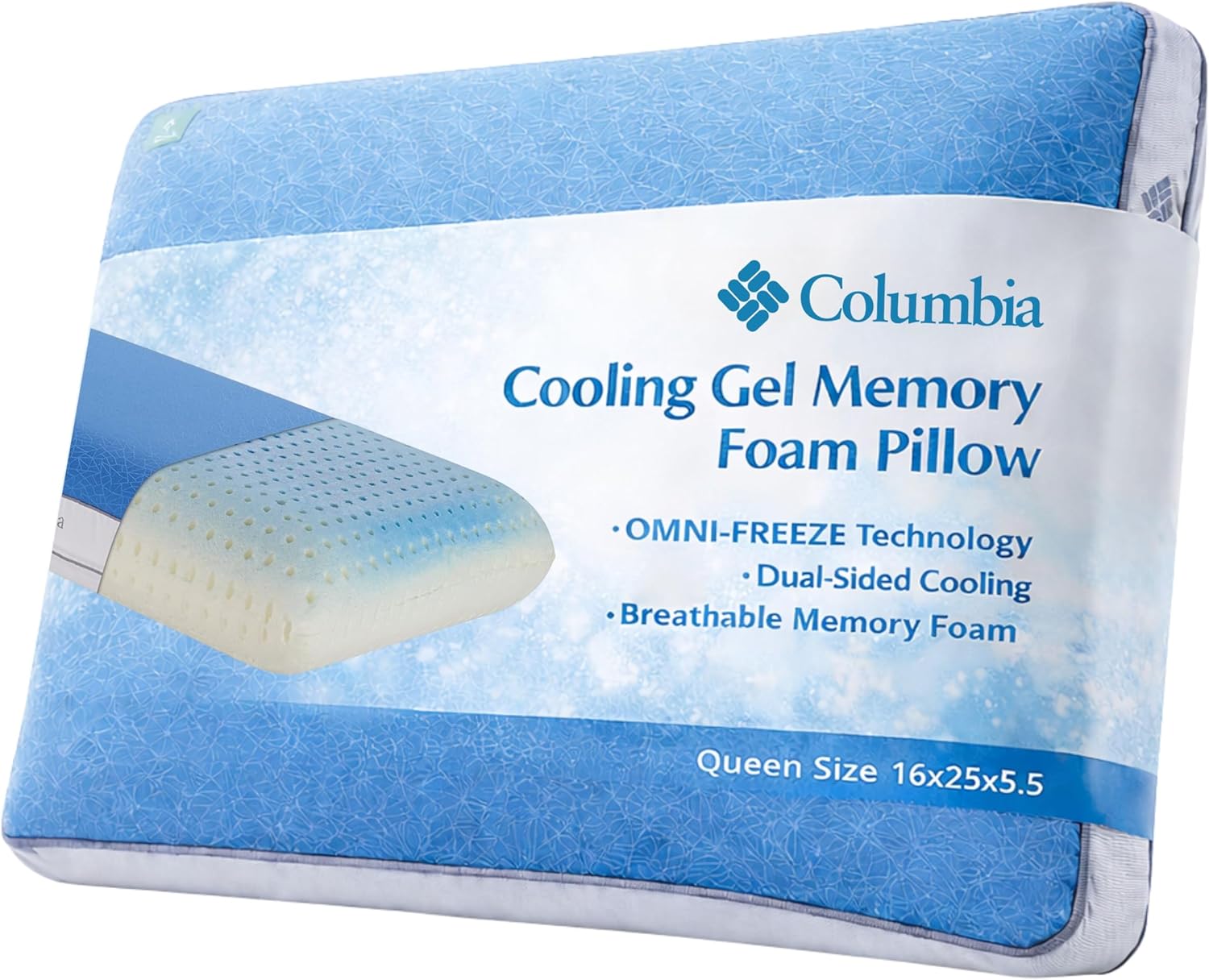
Columbia Cooling Gel Memory Foam Pillow
A structured cooling-foam option for hot sleepers who want a cooler feel without giving up a molded pillow profile.
Best for: People who sleep warm but still prefer a shaped foam pillow over loose fill or hotel-style softness.
Why it fits this page: This hot-sleeper route is about overnight heat buildup, and Columbia fits as the foam option for buyers who want cooling features while keeping a stable pillow shape.
Tradeoff: Avoid it if your main complaint is foam trapping your head, because the cooler surface may not solve the feel of molded foam.
Check current pricePick 2
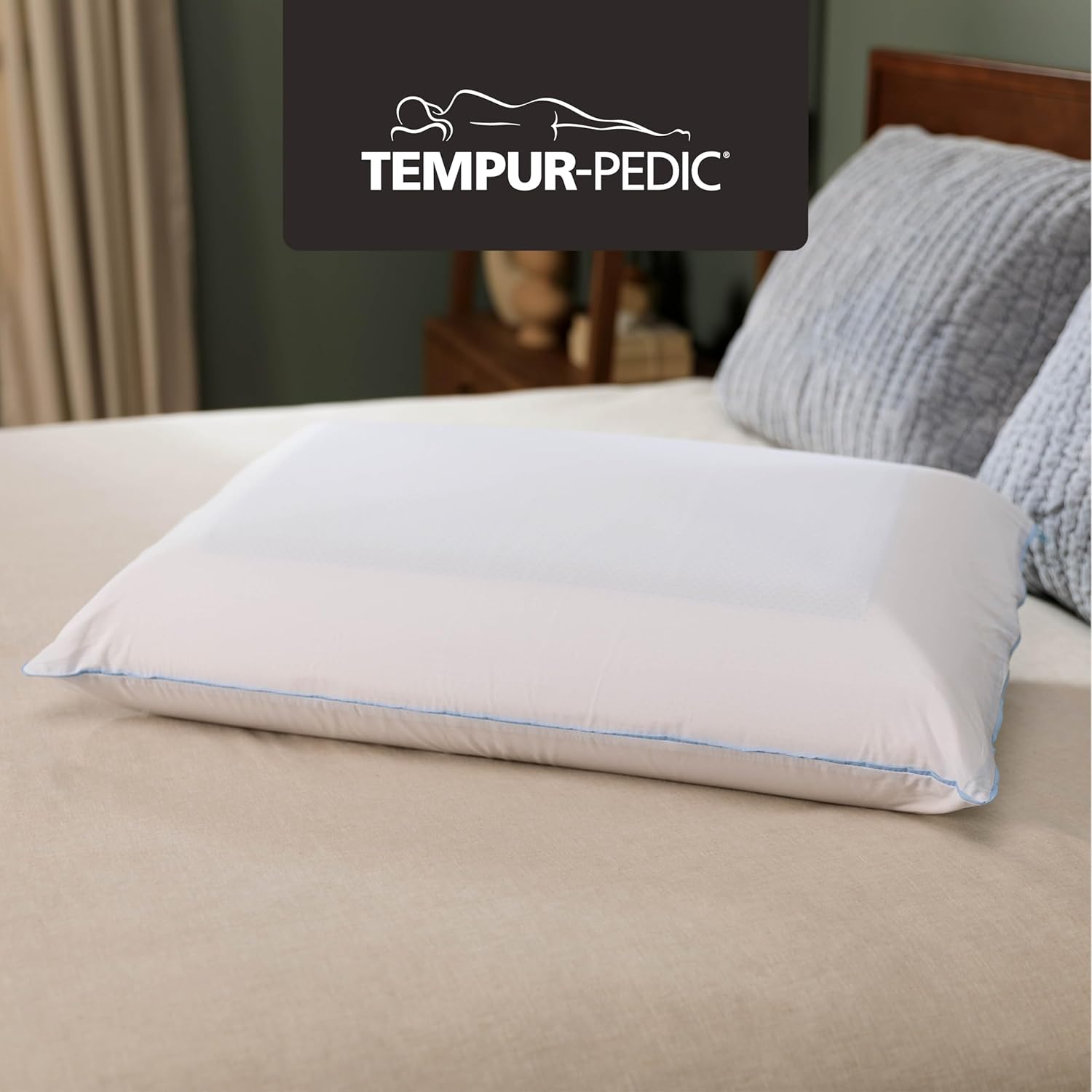
TEMPUR-Pedic TEMPUR-Cloud Dual Cooling Pillow
A premium hot-sleeper pick for buyers who want cooling features wrapped around a denser, more substantial foam feel.
Best for: Hot sleepers who value a polished foam pillow and are not trying to minimize price or pillow weight.
Why it fits this page: It fits this page as the premium lane: the decision is less about budget cooling and more about whether a higher-end foam pillow can stay comfortable enough for a warm sleeper.
Tradeoff: Skip it if you need maximum airflow or a low-profile pillow, because its premium foam feel can still be too enveloping.
Check current pricePick 3
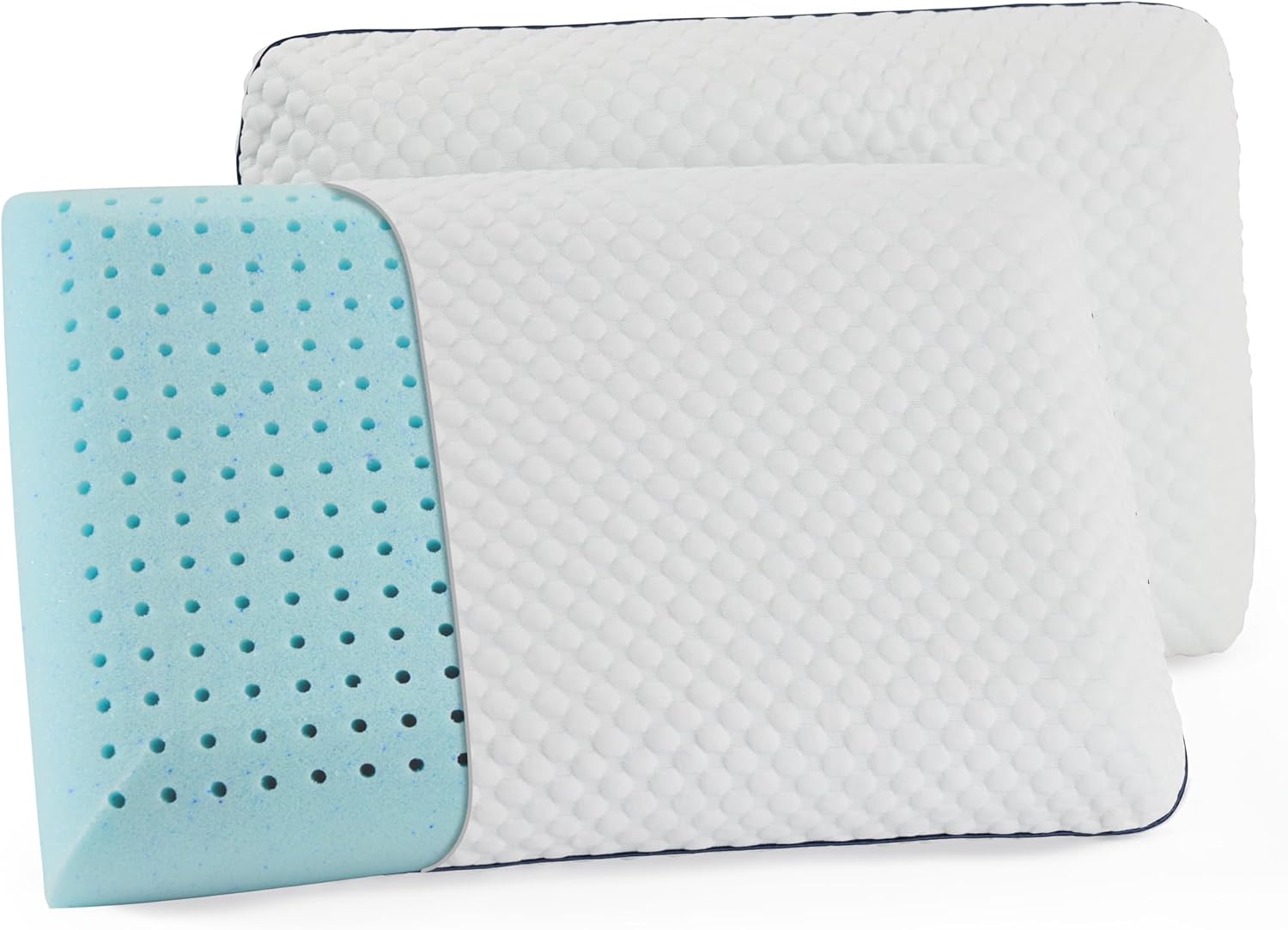
Weekender Gel Memory Foam Pillow
A lower-commitment gel-foam option for hot sleepers who want to try cooling without overbuying.
Best for: People who want a simple pillow replacement before changing sheets, mattress toppers, or the whole sleep setup.
Why it fits this page: It fits the hot-sleeper page as the practical trial pick: enough cooling intent to be relevant, but not so expensive that the buyer has to treat it as the final answer.
Tradeoff: Do not choose it if you need adjustable loft or a breathable fill, because this is still a fixed-shape gel memory foam pillow.
Check current priceHow We Chose
We screened hot-sleeper pillows by heat pathway first. A product had to make sense for head-and-neck warmth, not whole-room heat or a mattress that stores warmth under the body. Breathable fill, stable loft, cover simplicity, and all-night usability mattered more than dramatic cooling language.
Hot-sleeper pillow buyer checks
Choose from this page when the pillow is one of the first places you notice heat, especially around the head, neck, or face. The right pillow still has to fit your sleep position; a cooler cover is not enough if the fill collapses, the loft is wrong, or the shape creates pressure.
Avoid treating a hot-sleeper pillow as a full-room solution. If the whole bed warms up, if heavy blankets or protectors trap heat, or if the mattress/topper layer is the warmest part of the setup, even a breathable pillow can disappoint. Fix the most obvious heat layer before buying around the symptom.
The failure mode is choosing the coldest-sounding product and ignoring support fit. Test pillowcase thickness, protector use, airflow, and whether the pillow stays usable after the first cool feel fades. The best pick should reduce head-level heat without creating a height or comfort tradeoff.
If you need to isolate the heat source, use the cooling pillow troubleshooting guide.
If the pillow is clearly the problem, compare cooling pillow options.
If you want a lower-cost first test, review budget cooling pillow picks.
FAQ
- Who is a hot-sleeper pillow best for?
- A hot-sleeper pillow is best for someone whose heat starts at the pillow area and who still needs a usable height for their sleep position. Breathability helps most when the pillow is the actual warm layer.
- When is a pillow not enough for overheating?
- A pillow is not enough when heat starts under the torso, inside the topper, under a blanket, throughout the room, or with a sudden unusual body-heat pattern. Those clues point beyond a pillow purchase.
- What should hot sleepers check before buying?
- Check the pillowcase, protector, fill density, loft, usual sleep position, mattress surface, blanket weight, room warmth, and humidity. The best product path follows the strongest heat clue.
Setup FAQ
- What makes a pillow sleep hot?
- Dense fill, low airflow, thick covers, pillow protectors, warm bedding, and a warm room can all make a pillow feel hotter than expected.
- Can bedding make a breathable pillow feel warm?
- Yes. Heavy blankets, warm sheets, protectors, and poor room airflow can make the whole sleep setup feel warm even when the pillow itself is more breathable.
- How is this different from a cooling pillow page?
- This page is about hot-sleeper fit and setup first. A cooling pillow comparison is narrower and should come after you know the pillow is the likely heat source.
More Cooling Guidance
For the full set of related product picks, comparisons, and setup guides, return to the main topic hub.
Browse all Cooling sleep guides