
Quick Answer
Choose memory foam when pressure relief and close contour are the strongest clues. Choose latex when you want more buoyant lift, easier movement, and less sink. Skip both as a fix if the mattress underneath is sagging, because material choice cannot rebuild the support core.
Browse the Parent Hub
Use this broad back-pain sleep hub to choose among position-comfort guidance, knee or leg support, and mattress-topper comparisons. Detailed sleep-position decisions and lower-back setup checks belong in their focused guides rather than this category router.
Explore the full Back Pain sleep guide hubWhat Matters Most
- best fit: shoppers deciding whether the bed needs deeper contour or more responsive lift
- avoid if: the mattress support core is failing, the bed has visible sag, or pain is sharp, worsening, or unrelated to the sleep surface
- better alternative: firm-vs-soft comparison, thickness-vs-density support, cooling topper checks, or mattress replacement review depending on the clue
- common mistake: choosing by material reputation instead of matching pressure, sink, heat, and movement evidence
- setup note: test hip depth, turning ease, heat buildup, and support feel after the topper warms and compresses
Recommended Products
Start with the option that best matches your sleep position, contour preference, and tolerance for a fixed pillow shape.
Pick 1
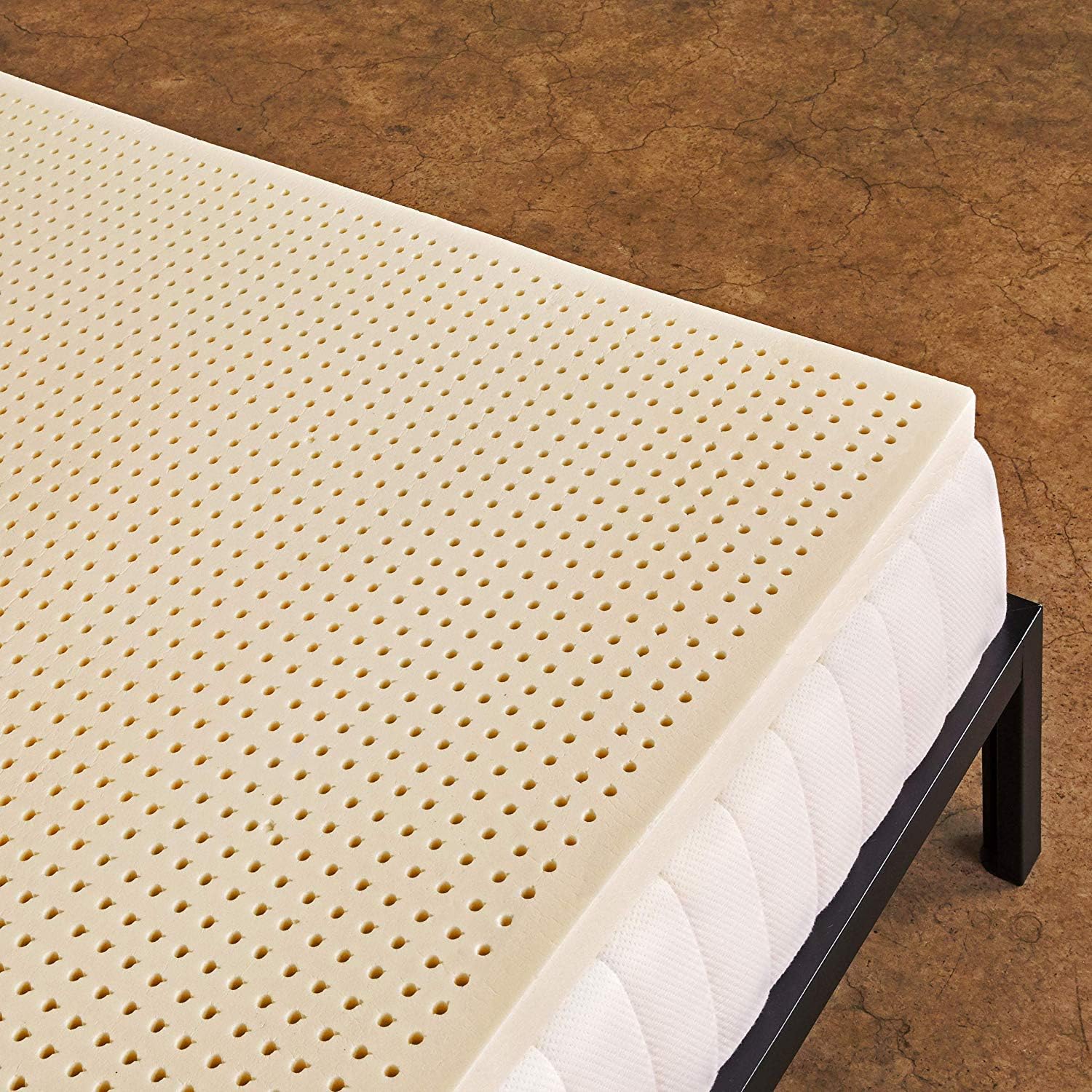
Pure Green Natural Latex Mattress Topper
A latex-side option for back-comfort readers who want buoyant lift and easier repositioning.
Best for: Sleepers whose mattress needs a more responsive surface rather than a slow foam hug.
Why it fits this page: It fits the latex side by holding the body higher and moving back faster than memory foam, without making treatment claims.
Tradeoff: Do not choose it if you specifically want deep contouring around a too-firm surface.
Check current pricePick 2
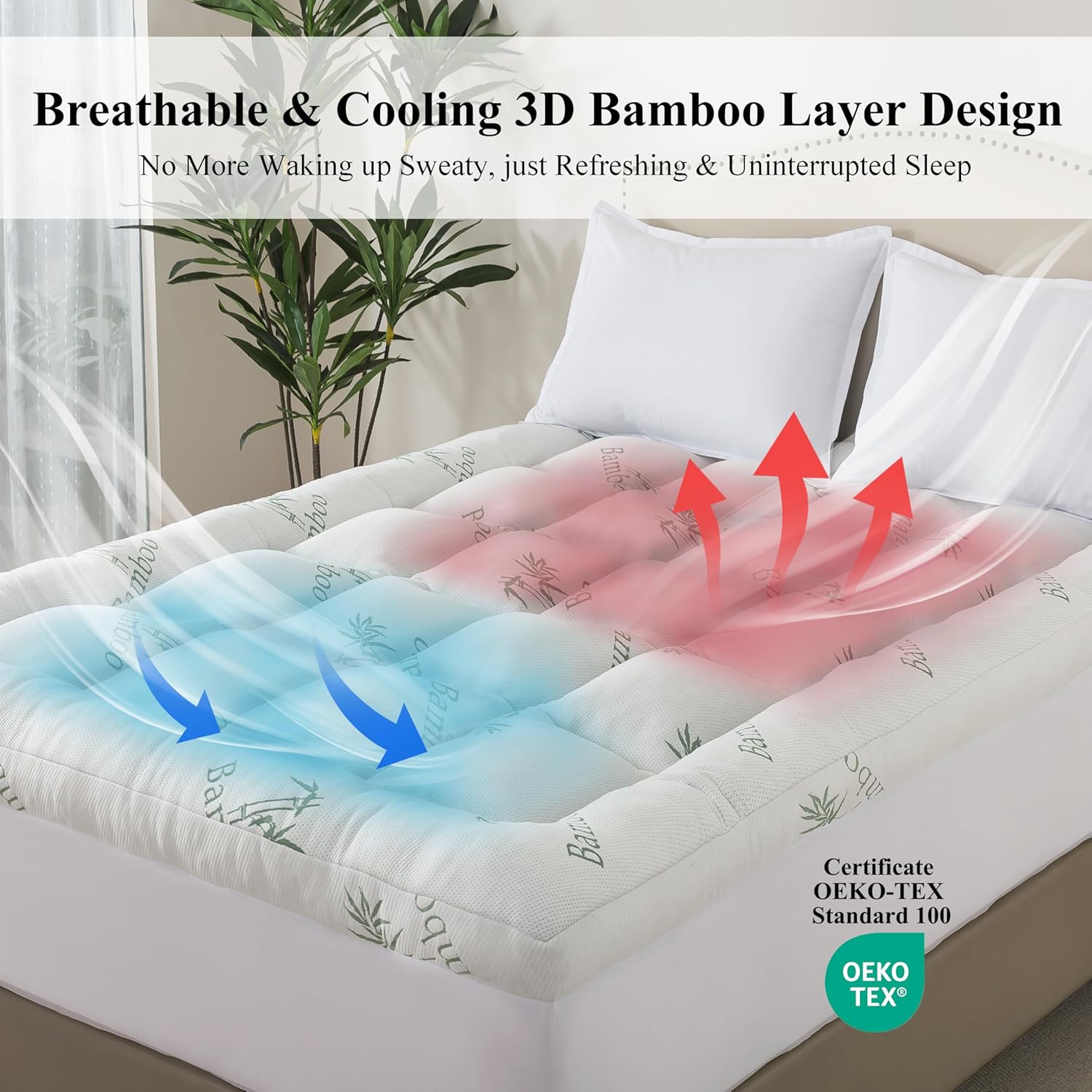
ELNIDO QUEEN 3 Inch Memory Foam Mattress Topper
A memory-foam-side option for readers whose back-comfort decision favors closer contour on a firm surface.
Best for: Shoppers who want softer foam contact and can tolerate some sink.
Why it fits this page: It represents the memory foam side clearly: more hug and pressure-distributing contour than latex, with a manageable three-inch profile.
Tradeoff: Avoid it if the mattress already sags or if easier movement matters more than contour.
Check current pricePick 3
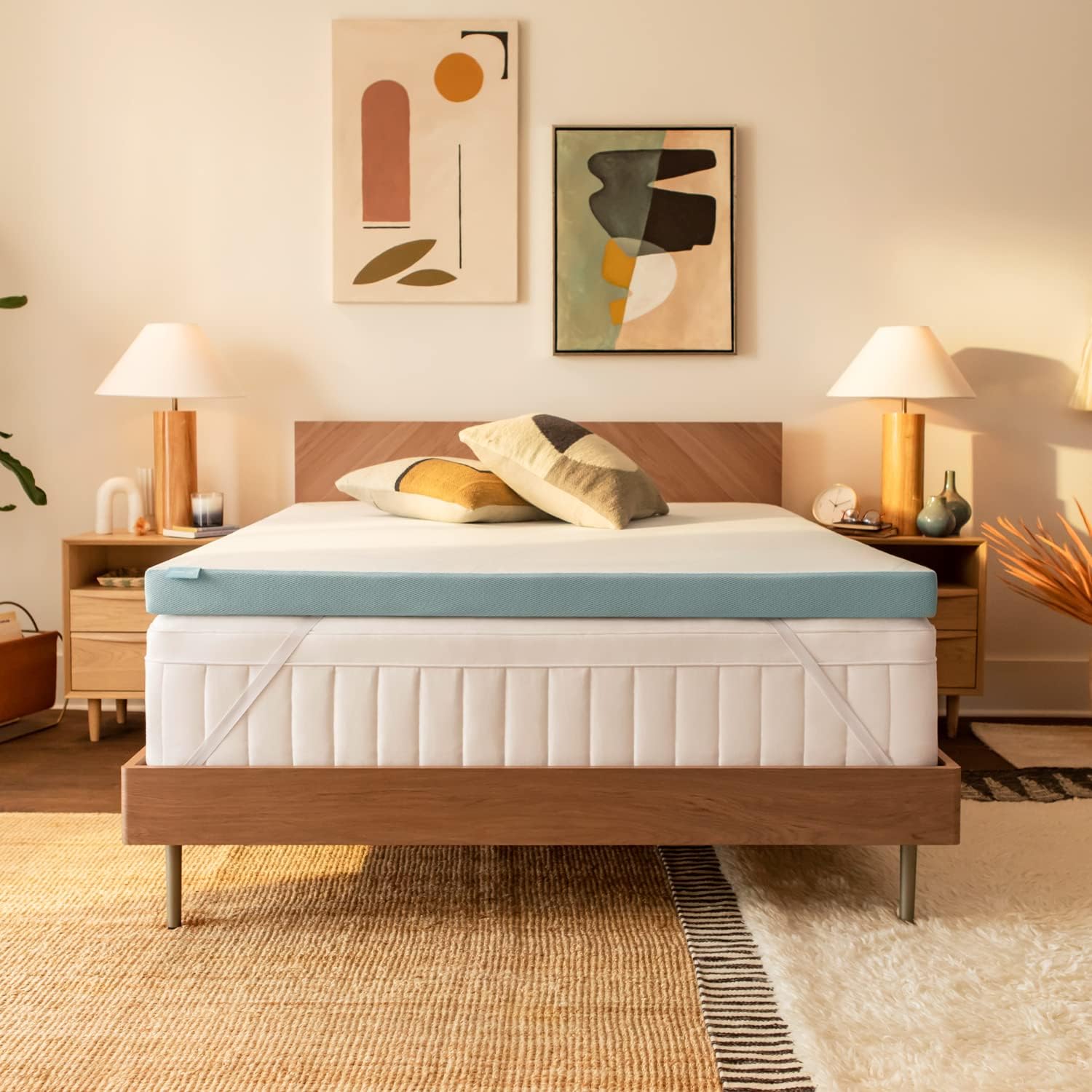
Tempur-Pedic TEMPUR-Adapt Mattress Topper
A premium dense-foam-side option for readers who want a stronger contouring change than budget memory foam.
Best for: Sleepers who have chosen the memory foam side and want a more substantial surface upgrade.
Why it fits this page: It fits this comparison as the higher-commitment foam choice, emphasizing slow-response contour rather than latex lift.
Tradeoff: Do not choose it if the better answer is bounce, cooler response, or correction for a failing mattress core.
Check current priceHow We Chose
We compared memory foam and latex by real topper behavior: contour, lift, sink, heat, movement, compression, and mattress interaction. The comparison avoids treating either material as universally better and keeps mattress-core failure outside the promise of a topper.
FAQ
- Who should choose memory foam?
- Choose memory foam when the mattress feels too hard or pressure-prone and slower contouring is the surface change you want. It is less ideal when extra sink, heat, or stuck-in movement is already the issue.
- Who should choose latex?
- Choose latex when you want more buoyant lift, easier movement, and less hugged-in sink. It can be a poor match if the real issue is sharp pressure from a very hard surface.
- What should you check before choosing either material?
- Check mattress sag, thickness, density, heat buildup, sheet and protector tension, and full-night compression. Neither material can rebuild a mattress that is already uneven or no longer supportive.
More Back Pain Guidance
For the full set of related product picks, comparisons, and setup guides, return to the main topic hub.
Browse all Back Pain sleep guides