
Quick Answer
Choose a mattress topper when the mattress still has a stable support core and you need a targeted surface change: pressure relief, modest firmness adjustment, or material feel. Skip topper shopping when the bed has visible sag, roll-together, deep pelvic sink, or the same pain pattern after clean setup checks.
Browse the Parent Hub
Use this broad back-pain sleep hub to choose among position-comfort guidance, knee or leg support, and mattress-topper comparisons. Detailed sleep-position decisions and lower-back setup checks belong in their focused guides rather than this category router.
Explore the full Back Pain sleep guide hubWhat Matters Most
- best fit: sleepers whose mattress is level and supportive but too firm, too thin, pressure-prone, or warm at the surface
- avoid if: the mattress has visible sag, roll-together, deep hip sink, unstable edges, or pain that is sharp or worsening
- better alternative: setup troubleshooting, firm-vs-soft comparison, memory-foam-vs-latex comparison, cooling checks, knee support, or mattress replacement review depending on the clue
- common mistake: buying the thickest plush topper before checking mattress condition, sheet depth, heat, and pelvic sink
- setup note: judge the topper after a full-night test with the same protector, fitted sheet, and blanket stack
Recommended Products
Start with the option that best matches your sleep position, contour preference, and tolerance for a fixed pillow shape.
Pick 1
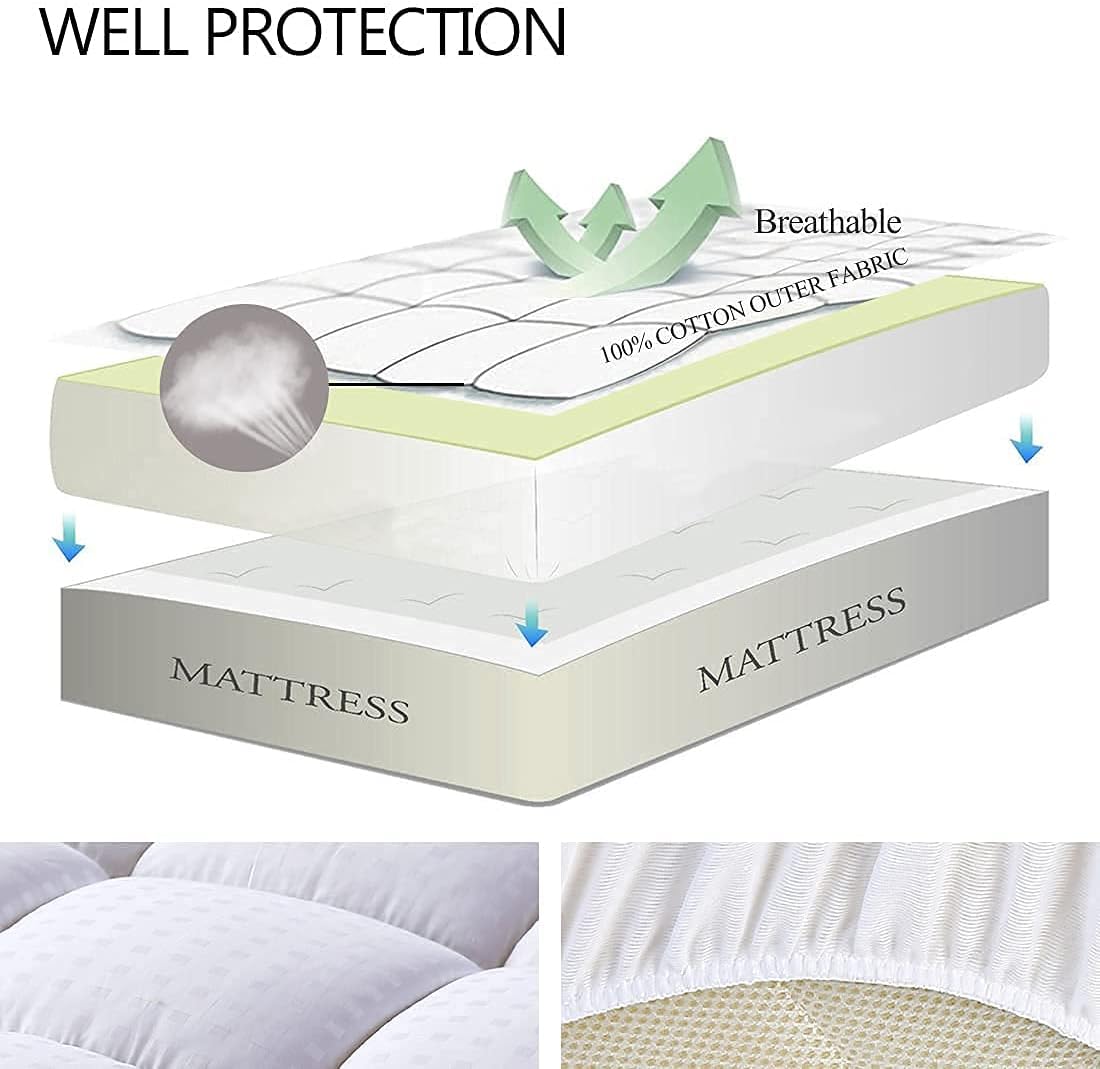
EASELAND Queen Size Mattress Pad
A gentle pad-style layer for back-pain shoppers who only need a small surface adjustment.
Best for: Back sleepers who want light cushioning without making the mattress feel much softer or taller.
Why it fits this page: This is the restrained option on a back-pain page: it can reduce surface harshness while preserving more of the mattress support underneath.
Tradeoff: It is not the right first choice if the bed needs a meaningful pressure-relief or firmness change.
Check current pricePick 2
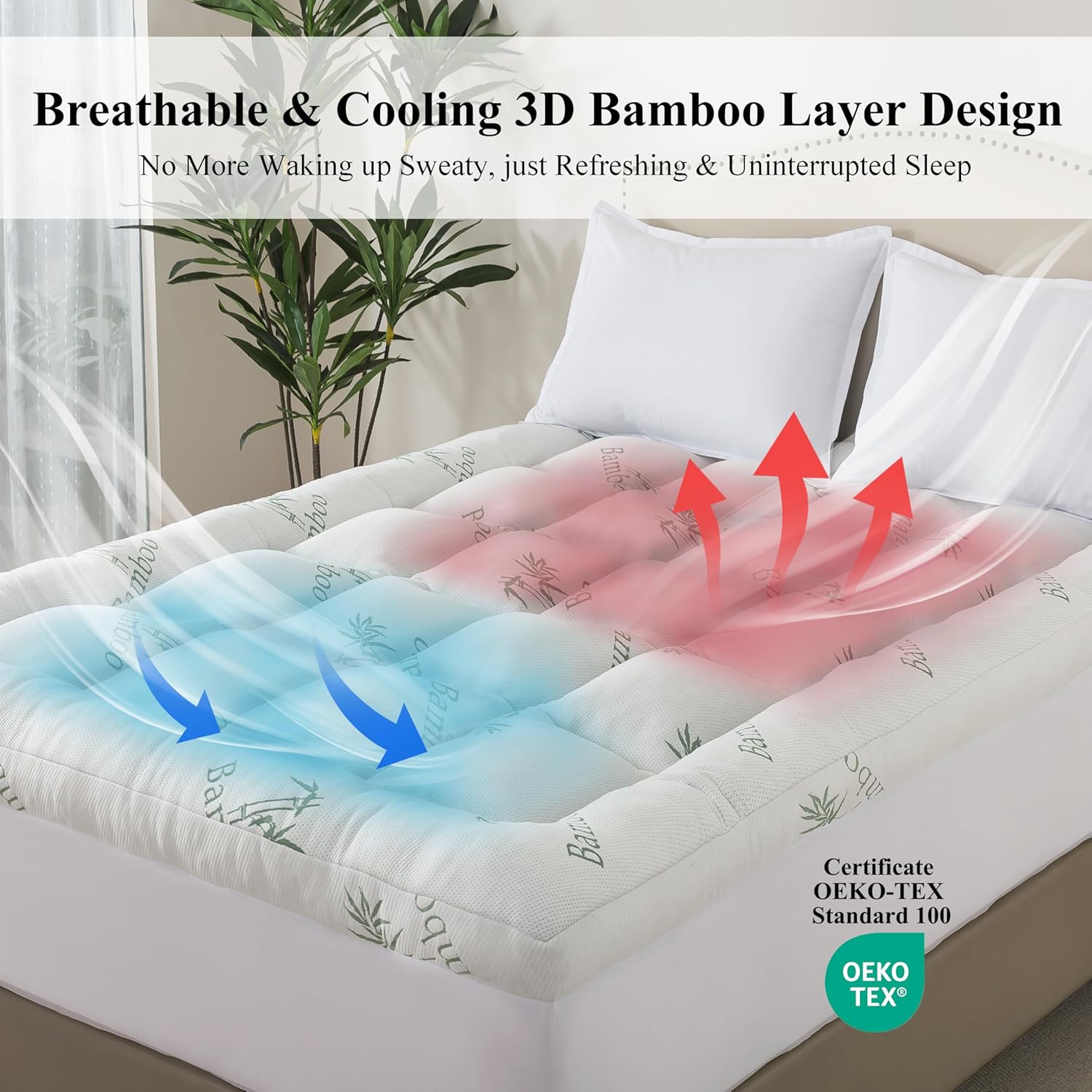
ELNIDO QUEEN 3 Inch Memory Foam Mattress Topper
A three-inch memory foam route for sleepers whose back discomfort is tied to a mattress surface that feels too hard.
Best for: People who need noticeable contouring around the hips and low back without jumping to an extra-thick topper.
Why it fits this page: The three-inch depth gives enough foam to change pressure feel while staying more controlled than the five-inch plush options used on other topper pages.
Tradeoff: Too much sink can work against back comfort if the mattress underneath is already soft or uneven.
Check current pricePick 3
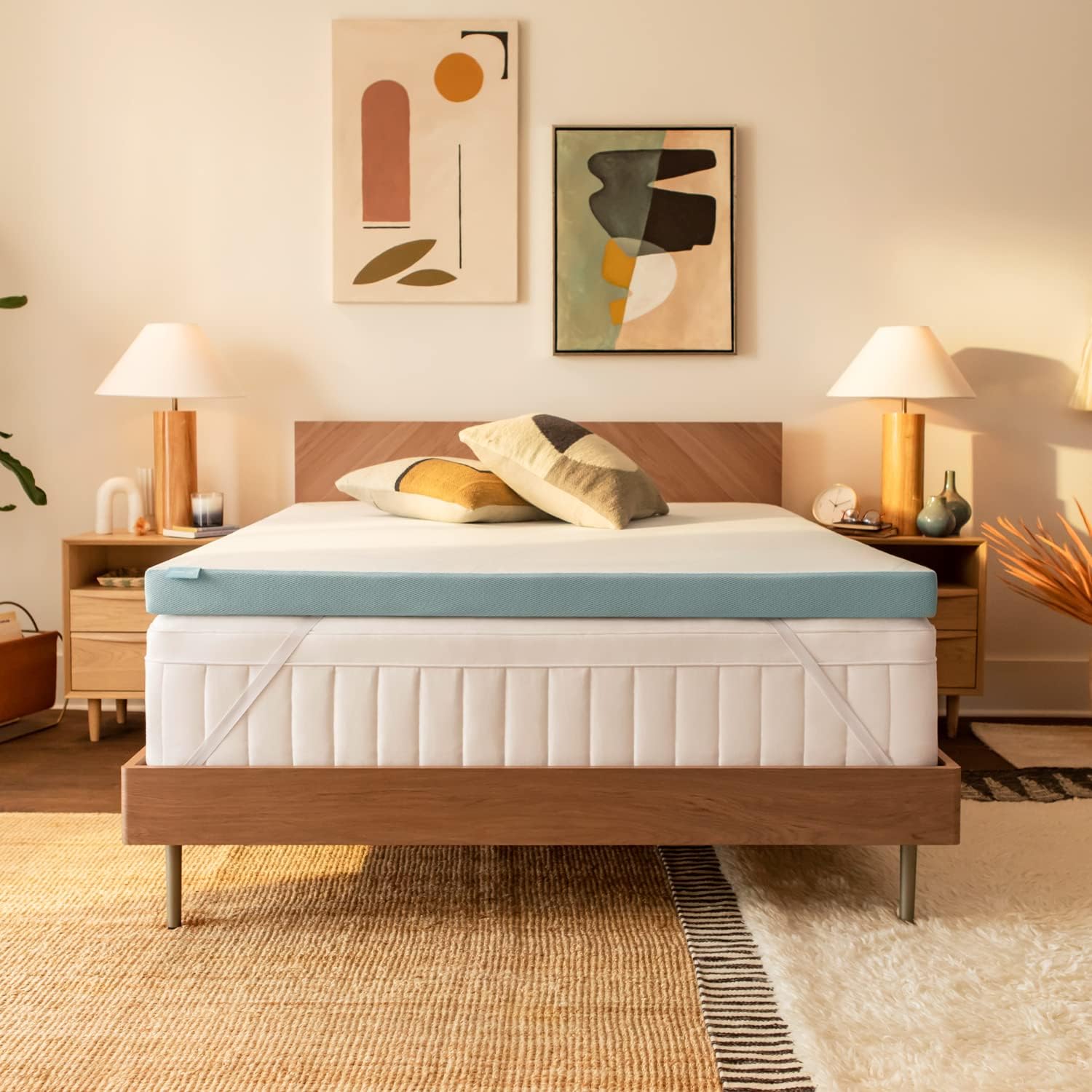
Tempur-Pedic TEMPUR-Adapt Mattress Topper
A premium contouring pick for back-pain shoppers who want slow-response pressure relief and a stronger trial-worthy upgrade.
Best for: Sleepers willing to pay more for denser contouring instead of a budget surface pad.
Why it fits this page: It fits this route as the higher-commitment foam option: the value is controlled pressure relief for a too-firm surface, not fixing a mattress that has lost support.
Tradeoff: Dense contouring foam may feel warm or too enveloping for sleepers who need easier movement.
Check current priceHow We Chose
We judged toppers by the mattress problem they can realistically change: surface pressure, modest firmness mismatch, heat at the sleep surface, and controlled comfort adjustment. Products were weaker when they implied a topper could rebuild sagging support, fix medical pain, or solve a problem that belongs to the mattress core, sheet stack, or sleep position.
Mattress topper buyer checks for back comfort
Choose a mattress topper when the mattress core is still usable but the surface needs a controlled change: softer pressure relief, steadier feel, less direct firmness, or a different material response. The buyer question is what the bed is doing wrong before another layer is added.
Avoid this category if the mattress is badly sagging, uneven, too soft underneath, or already too warm after layers are added. A topper can change surface feel and comfort, but it cannot rebuild a failing mattress core and should not be framed as a treatment for back pain.
The failure mode is choosing by thickness alone. A thicker topper may add sink, heat, height, or sheet-fit problems without correcting the mattress. Test whether the current bed is too firm, too soft, too warm, or too worn out before comparing foam, latex, or pad-style options.
If firmness direction is the main question, use the firm versus soft topper decision guide.
If material response is the confusing part, compare memory foam versus latex topper comparison.
If positioning may be part of the back-comfort issue, review the pillow-under-knees setup guide.
FAQ
- Who is a mattress topper best for?
- A mattress topper is best for sleepers whose mattress is still level and supportive but feels too firm, too thin, pressure-prone, or warm at the surface. It can change the comfort layer, but it cannot rebuild a failed support core.
- When is a topper the wrong solution?
- A topper is the wrong first solution when the mattress has visible sag, roll-together, deep pelvic sink, unstable edges, or pain that is sharp, worsening, or not tied to sleep setup. In those cases another layer can hide the clue without solving it.
- What should you check before choosing a material?
- Check mattress condition, whether the surface is too hard or too sinky, sleep position, heat buildup, sheet depth, protector order, and whether a support check changes the problem before choosing memory foam, latex, or another material.
Setup FAQ
- Can a mattress topper make back pain worse?
- It can make the setup feel worse if it adds too much sink, too much height, heat, instability, or pressure in the wrong places. Match the topper to the mattress problem instead of choosing by thickness alone.
- When is a new mattress more realistic than a topper?
- If the mattress is badly sagging, uneven, or no longer supportive underneath, a topper may only mask the problem briefly. A topper changes the surface; it cannot rebuild a failing mattress core.
- How does sleep position change topper choice?
- Side sleepers often notice pressure relief first, while back and stomach sleepers may be more sensitive to sinking and support. The right topper depends on how your body meets the mattress.
More Back Pain Guidance
For the full set of related product picks, comparisons, and setup guides, return to the main topic hub.
Browse all Back Pain sleep guides