
Quick Answer
Choose softer when the mattress is too hard and pressure relief is the missing surface change. Choose firmer when the topper needs to reduce unstable sink without making the bed harsh. Skip both when the mattress core is failing, because firmness direction cannot rebuild support.
Browse the Parent Hub
Use this broad back-pain sleep hub to choose among position-comfort guidance, knee or leg support, and mattress-topper comparisons. Detailed sleep-position decisions and lower-back setup checks belong in their focused guides rather than this category router.
Explore the full Back Pain sleep guide hubWhat Matters Most
- best fit: shoppers who can identify whether the bed is too hard, too soft, too sinky, or only mildly unstable
- avoid if: the mattress has a visible dip, roll-together, deep pelvic sink, or pain unrelated to sleep setup
- better alternative: mattress-topper setup troubleshooting, memory-foam-vs-latex comparison, thickness-vs-density support, or mattress replacement review
- common mistake: choosing firm because back pain sounds like a support problem when the real clue is pressure from a hard surface
- setup note: test firmness after full-night compression and after remaking the bed with the same sheet and protector layers
Recommended Products
Start with the option that best matches your sleep position, contour preference, and tolerance for a fixed pillow shape.
Pick 1
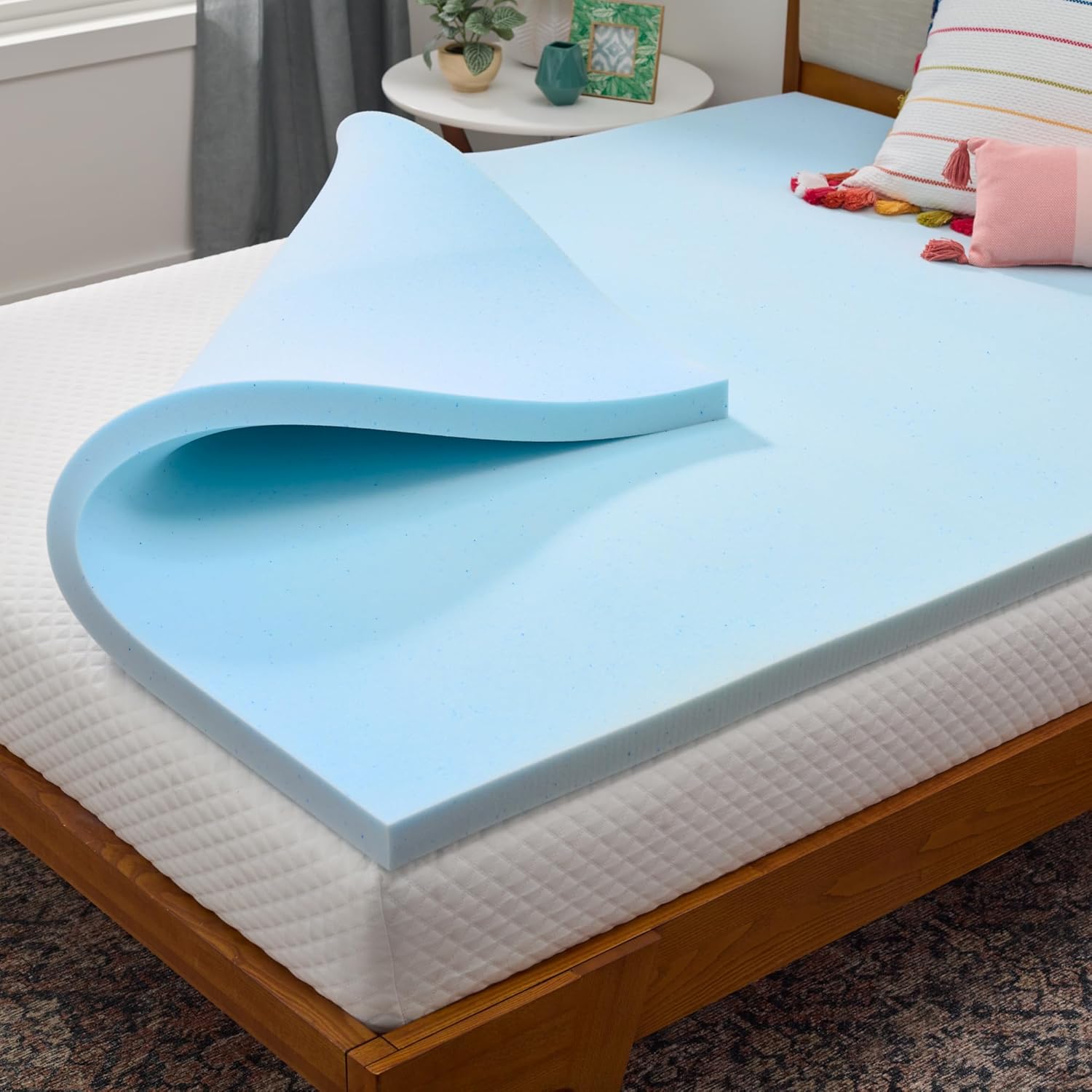
Linenspa Memory Foam Mattress Topper
A straightforward softening option for readers whose mattress feels too firm at the surface.
Best for: Back-pain shoppers who want a modest memory-foam comfort change without jumping to a premium topper.
Why it fits this page: It represents the softer side of this comparison: useful when the lower-back clue is pressure from a hard surface rather than sagging support underneath.
Tradeoff: Avoid it if the bed already lets the hips sink, because extra foam softness can make pelvic alignment less steady.
Check current pricePick 2
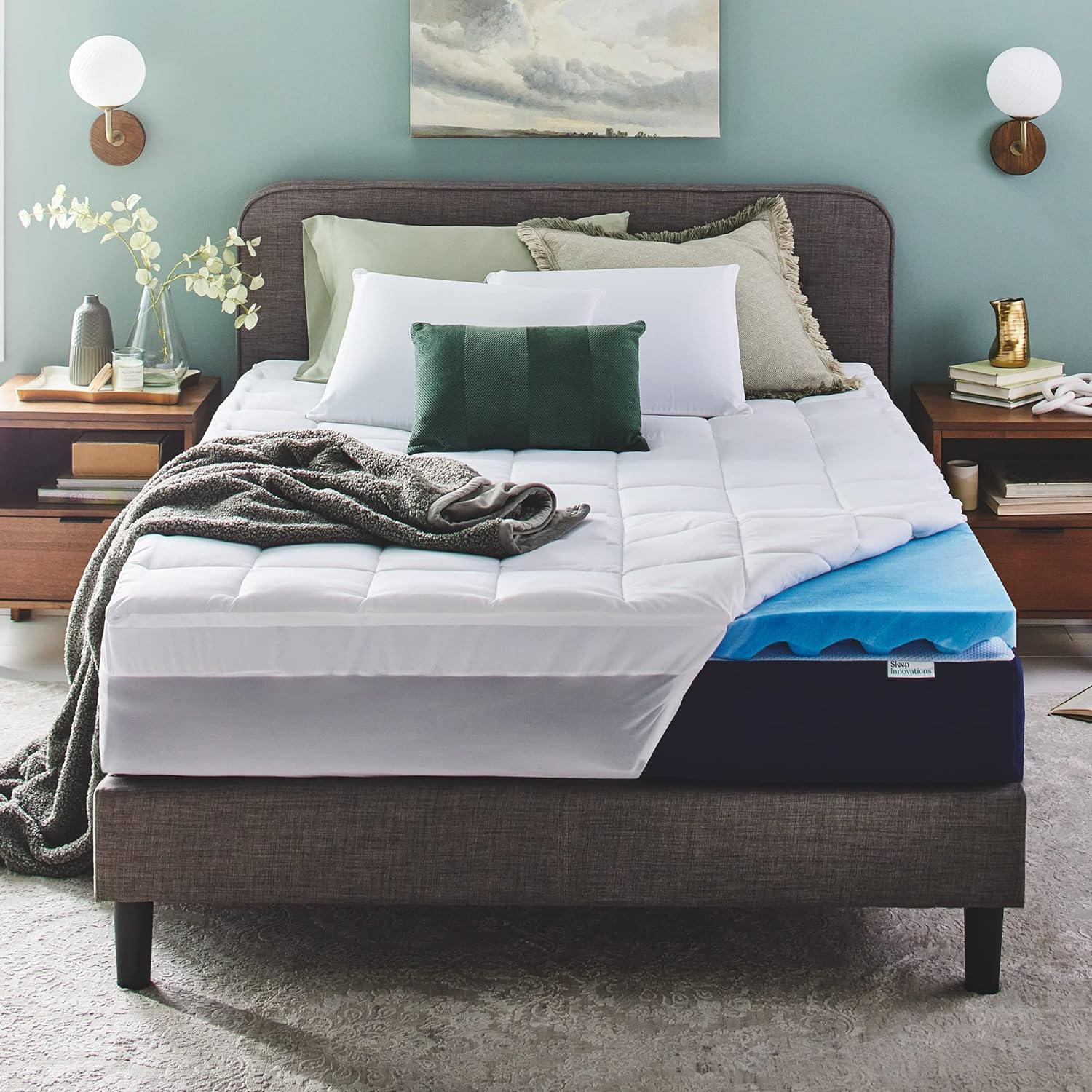
Sleep Innovations Dual Layer Mattress Topper
A deeper soft-side option for readers who need a more noticeable comfort-layer change.
Best for: Sleepers whose mattress is still supportive but feels too hard or thin for the hips and low back.
Why it fits this page: The dual-layer build gives this comparison a stronger pressure-relief lane while still making the reader check whether the mattress core is sound.
Tradeoff: It is too much topper for a sagging mattress or for sleepers who already feel stuck in soft foam.
Check current pricePick 3
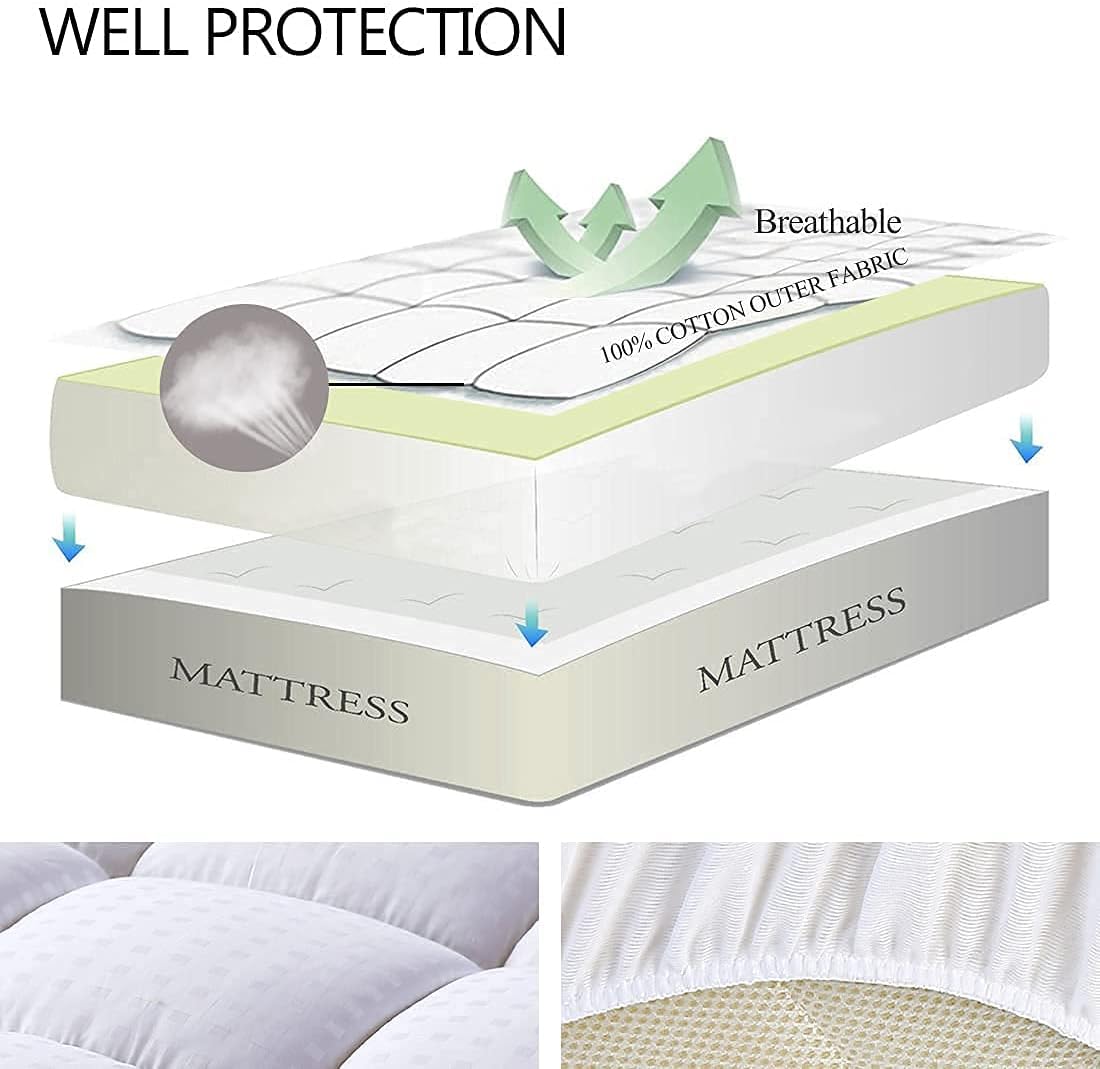
EASELAND Queen Size Mattress Pad
A light pad-side choice for readers who need a small softening step rather than a true firmness correction.
Best for: Sleepers whose mattress is close to right but feels a little sharp at the surface.
Why it fits this page: For a firm-vs-soft back-comfort decision, this is the conservative option: it adds a thinner buffer while preserving more of the mattress feel underneath.
Tradeoff: Do not choose it if the mattress needs a major softness or contour change, because a pad is too subtle for that job.
Check current priceHow We Chose
We framed firm-versus-soft around the failure clue instead of treating firmness as a universal back-pain answer. Products and examples were evaluated by surface pressure, pelvic sink, mattress condition, full-night compression, and whether the topper creates a reversible comfort change.
Firm versus soft topper failure modes
Choose a softer topper when the mattress is too firm and pressure at the shoulders, hips, or ribs is the main complaint. Choose a firmer topper only when the goal is surface steadiness and the mattress underneath is still flat enough to support the body.
Avoid soft toppers if you already sink too far or wake with the hips lower than the rest of the body. Avoid firmer toppers if the bed already feels hard and pressure is the main issue. No topper should be treated as a treatment for back pain or a fix for a mattress core that is sagging badly.
The setup test is to name the current mattress failure before shopping: too hard, too soft, too warm, too uneven, or simply worn out. If the bed is failing underneath, changing the topper firmness may add cost without solving the real support problem.
If you need product options after identifying the failure mode, compare mattress topper picks for back comfort.
If firmness is only part of the decision, review memory foam versus latex topper materials.
FAQ
- Who should choose a softer topper?
- Choose a softer topper when the mattress is still supportive but the surface feels too hard or pressure-prone. It should add cushioning without letting the pelvis sink out of line.
- Who should choose a firmer topper?
- Choose a firmer topper when the surface feels mildly unstable and the mattress underneath is still level. It can add steadier feel, but it is not a repair for visible sag or a worn support core.
- What is the biggest firm-versus-soft mistake?
- The biggest mistake is choosing firm or soft by label instead of the failure clue. A hard surface, deep sink, sheet tension, full-night compression, and mattress sag all point to different next steps.
More Back Pain Guidance
For the full set of related product picks, comparisons, and setup guides, return to the main topic hub.
Browse all Back Pain sleep guides