Quick Answer
Choose a blackout sleep mask if light is the main sleep barrier and you can tolerate a strap on your face all night. Avoid relying on a mask when noise, temperature, stress, irregular sleep timing, or eye pressure is the real reason sleep is poor.
Browse the Parent Hub
Shop lighter-use accessories and practical add-ons like sleep masks, travel pillows, and specialty pillow formats.
Explore the full Accessories sleep guide hubWhat Matters Most
- best fit: sleepers dealing with sunrise, travel light, shift-work daylight, partner light, or rooms that cannot get fully dark
- avoid if: eye pressure, claustrophobic feel, strap tension, headaches, or noise and temperature are the real sleep blockers
- better alternative: room-darkening curtains, lower light exposure, white noise, or temperature fixes when light is not the main issue
- common mistake: buying for blackout claims alone while ignoring nose seal, eye-cup depth, strap position, and side-sleeper movement
- setup note: test the mask while lying on your usual side and back positions, not just while sitting upright
Recommended Products
Start with the option that best matches your sleep position, contour preference, and tolerance for a fixed pillow shape.
Pick 1
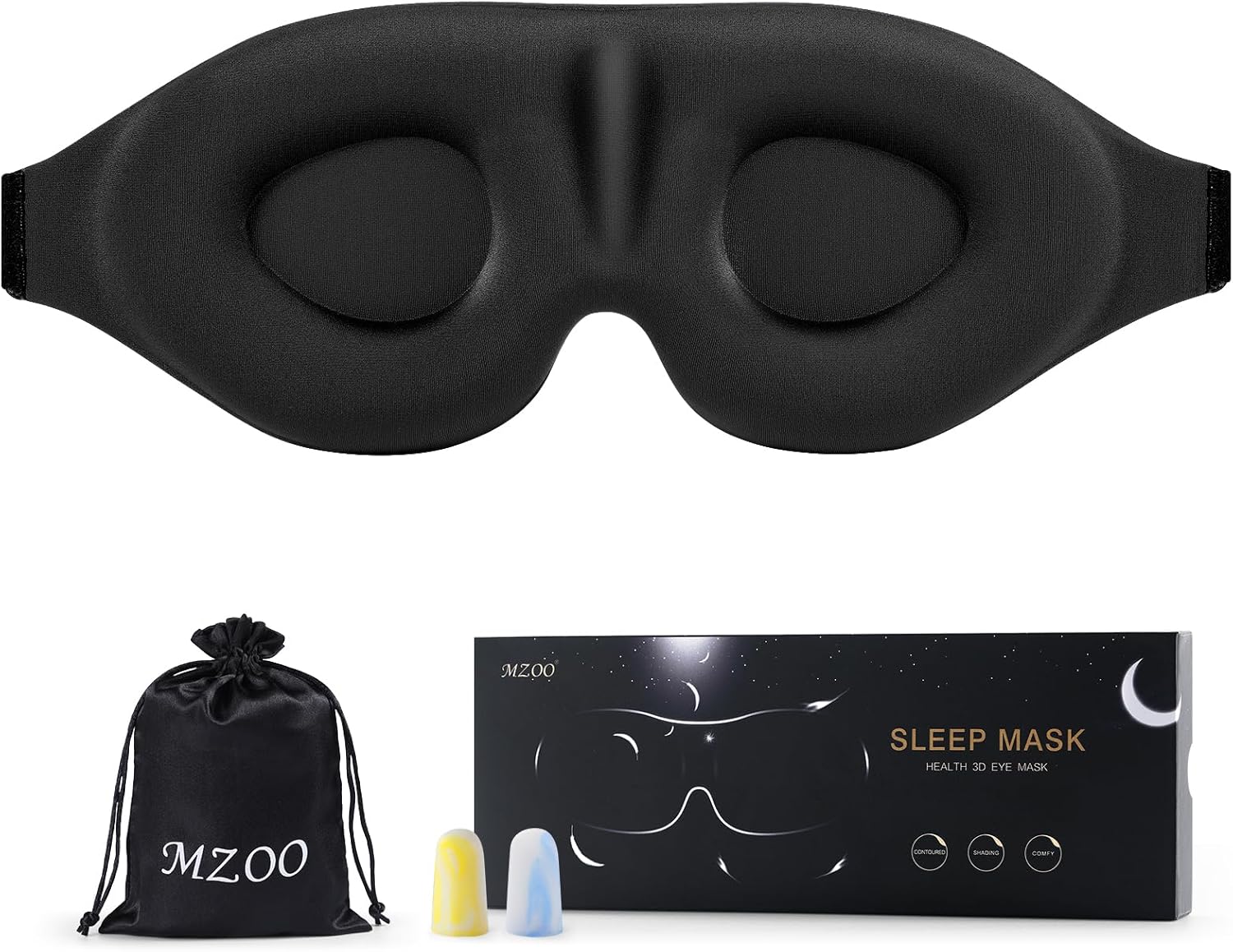
MZOO Luxury Sleep Mask
A contoured mask lane for sleepers who need blackout coverage without fabric resting directly on the eyes.
Best for: Side and back sleepers who want eye-cup space and a structured nose area for light control.
Why it fits this page: This page is about usable darkness, and MZOO fits as the pressure-aware option: the molded shape can reduce eye contact while still targeting cheek and nose light leaks.
Tradeoff: Avoid it if a structured cup feels bulky or if strap feel bothers you more than eye pressure.
Check current pricePick 2
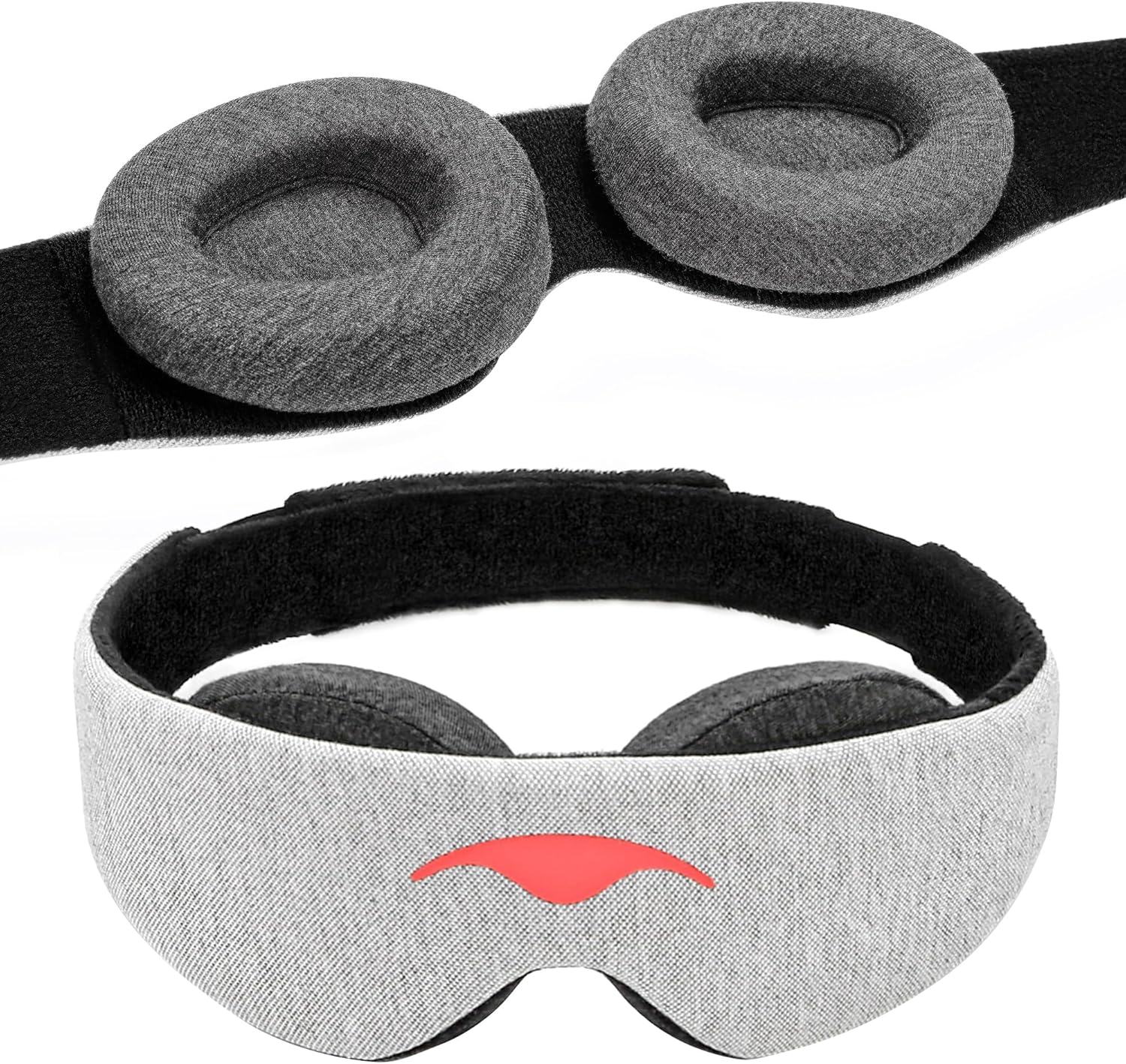
Manta Sleep Mask
A more adjustable blackout option for shoppers who want to tune eye-cup placement instead of accepting one fixed mask shape.
Best for: Sleepers who are sensitive to eye pressure, lash contact, or small light leaks around the nose.
Why it fits this page: It belongs here as the fit-control pick because blackout success often comes down to whether the cups land correctly on your face, not just how dark the fabric is.
Tradeoff: Skip it if you want the simplest low-profile mask, because adjustability adds bulk and setup.
Check current pricePick 3
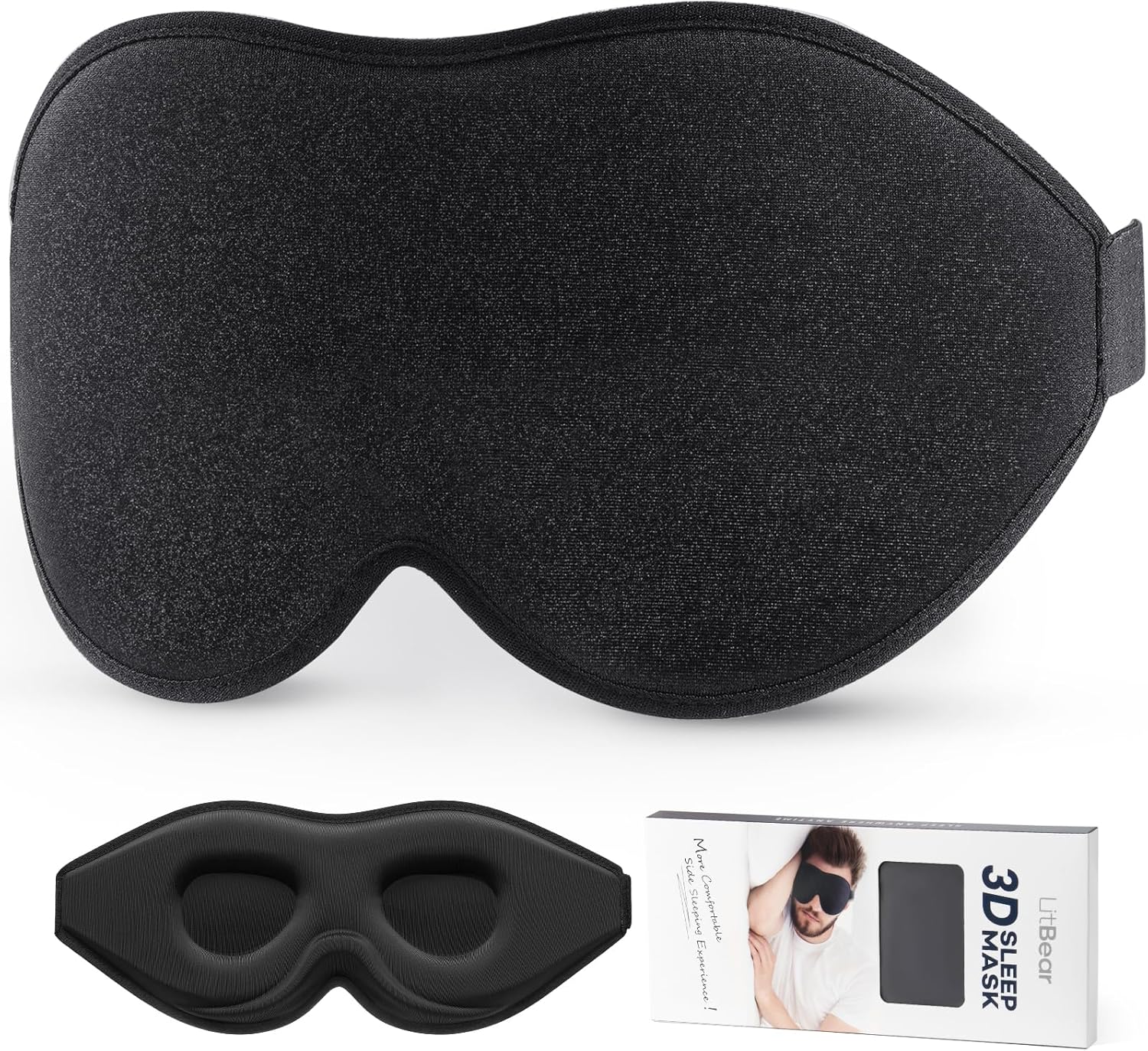
LitBear Sleep Mask
A side-sleeper-friendly mask option for readers who need light blocking with less obvious pressure at the eye area.
Best for: People who sleep on their side and want a softer-feeling blackout mask that still considers nose and cheek leakage.
Why it fits this page: It rounds out the sleep-mask page as the comfort-first lane, useful when a mask must stay tolerable after turning rather than only blocking light while upright.
Tradeoff: Do not choose it if maximum adjustability is the priority, because the main value is simpler comfort and coverage.
Check current priceHow We Chose
We judged sleep masks by real sleep fit: light leakage around the nose and cheeks, pressure on the eyes, strap comfort, side-sleep stability, material feel, and whether the mask stays usable after cleaning or travel. A mask lost ground if it looked dark in product photos but seemed likely to press, slip, or leak in normal positions.
Blackout mask fit checks before buying
A blackout mask should be judged by real sleep fit: light leaks near the nose, eye pressure, strap tension, side-sleep shifting, and whether the material feels tolerable after hours, not just when you first put it on.
Choose a contoured mask if eye pressure is the main annoyance, and choose a simpler soft mask if you want less bulk for travel or occasional use. Avoid masks with rigid edges, tight straps, or heavy padding if you are sensitive to face pressure or sleep mostly on your side.
Bottom line: the best mask is the one that blocks enough light without becoming the thing that wakes you up. Fit around your nose bridge and strap comfort matter as much as fabric.
If the goal is a broader sleep-comfort setup, compare hotel-style sleep comfort upgrades.
If heat is part of the wake-up pattern too, review budget cooling pillow options.
FAQ
- Who is a blackout sleep mask best for?
- A blackout sleep mask is best for sleepers whose main barrier is light: sunrise, travel, shift-work daylight, a partner reading, or a room that cannot be made fully dark. It works best when the mask stays sealed in your real sleep position.
- Who should avoid a sleep mask?
- Avoid relying on a mask if eye pressure, strap tension, headaches, claustrophobic feel, noise, temperature, or irregular timing is the bigger sleep problem. A mask can block light, but it cannot fix every reason sleep is fragmented.
- What is the biggest sleep-mask buying mistake?
- The biggest mistake is buying for blackout claims alone. Nose seal, eye-cup depth, strap placement, side-sleeper movement, and comfort after several hours usually decide whether the mask stays on.
More Accessories Guidance
For the full set of related product picks, comparisons, and setup guides, return to the main topic hub.
Browse all Accessories sleep guides