
Quick Answer
If you do not want a wedge, look for a pillow that supports a more open head-and-neck position without feeling overly tall. It will not replace medical treatment, but the right shape can be more realistic for nightly use.
Browse the Parent Hub
See anti-snore pillow roundups, wedge comparisons, and practical troubleshooting pages for snoring-related searches.
Explore the full Snoring sleep guide hubWhat Matters Most
- airway-friendly positioning
- loft relative to sleep position
- wedge versus standard shape
- mask compatibility if relevant
- whether the setup stays put overnight
Recommended Products
Start with the option that best matches your sleep position, contour preference, and tolerance for a fixed pillow shape.
Pick 1
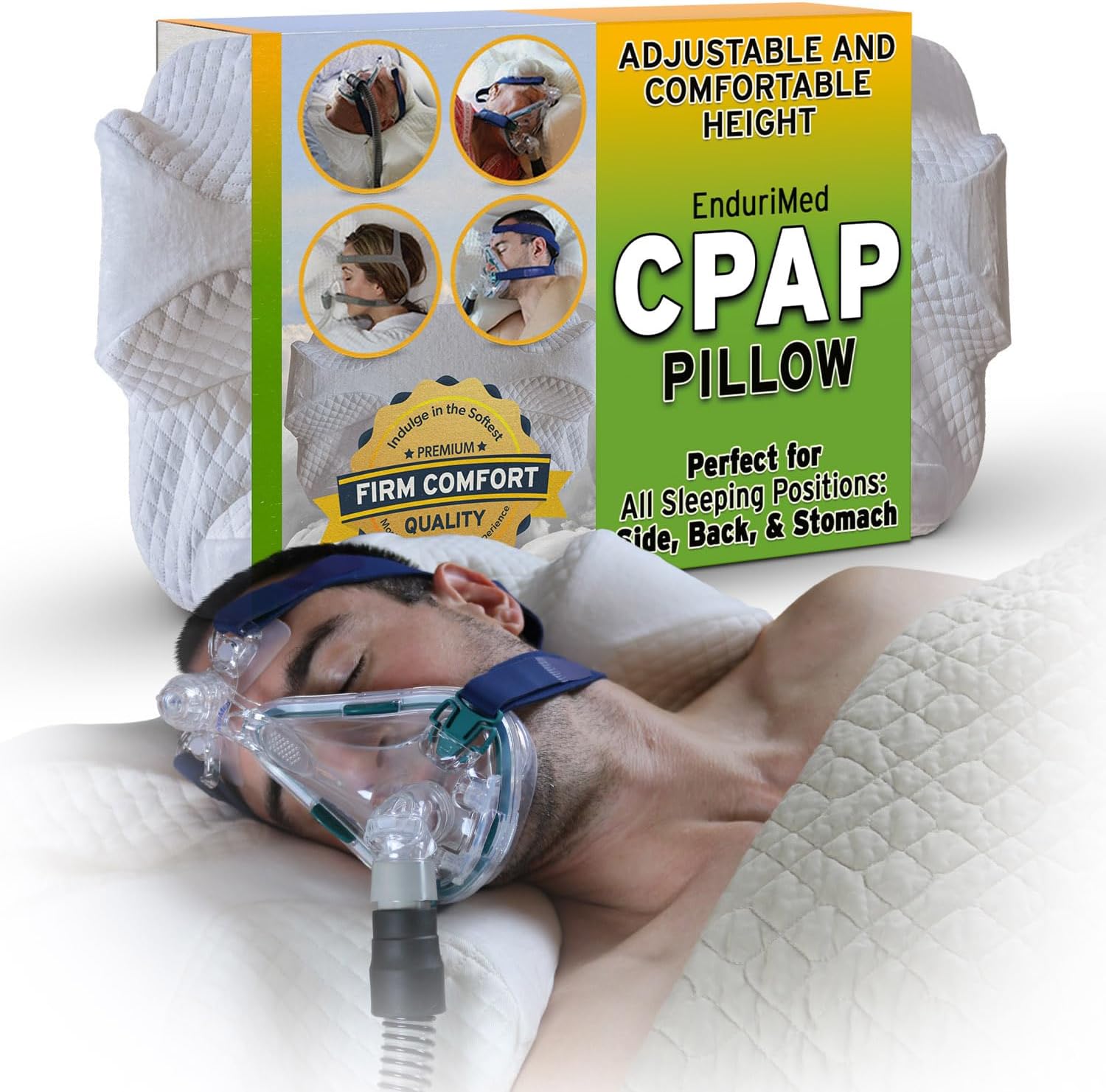
EnduriMed CPAP Pillow
A non-wedge pillow option for readers who want mask clearance or side-positioning space without raising the torso.
Best for: CPAP users who ruled out wedges and need a pillow that leaves more room around the face and hose.
Why it fits this page: It fits this no-wedge page because the mechanism stays at the pillow level: head position and mask room, not a bed-angle change.
Tradeoff: Skip it if torso incline is the missing piece, because this product intentionally avoids wedge-style elevation.
Check current pricePick 2
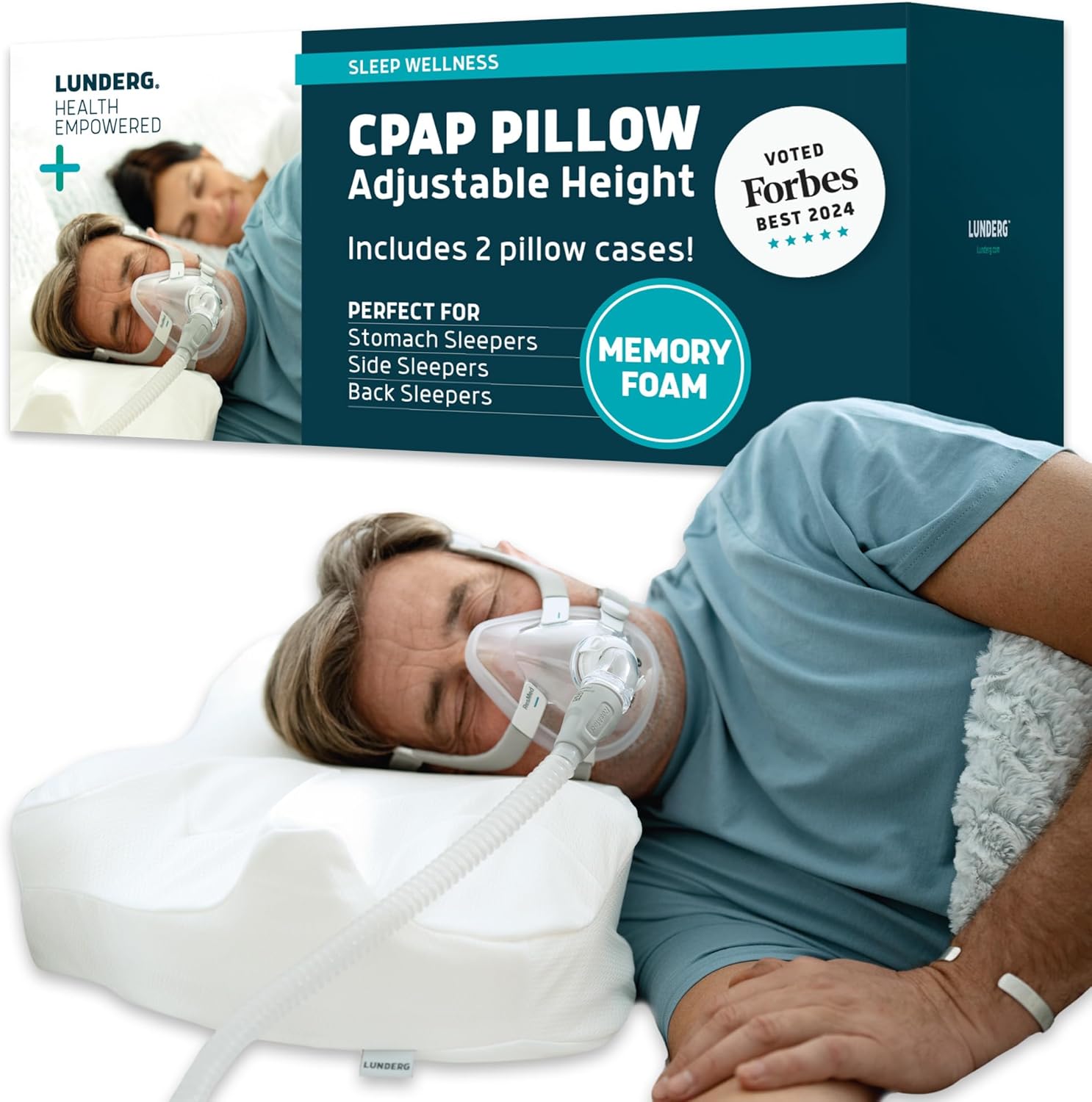
Lunderg CPAP Pillow
A non-wedge CPAP pillow for shoppers who want softer side positioning around mask equipment.
Best for: Readers who do not want a wedge but still need the pillow to accommodate CPAP gear during side sleep.
Why it fits this page: It belongs here as a pillow-only path, giving buyers an option that changes face-level contact while keeping the rest of the setup flat.
Tradeoff: Avoid it if the buyer wants an adjustable incline or an oral-device comparison, because this is strictly a pillow-fit choice.
Check current priceHow We Chose
We judged non-wedge snoring pillows by what they can do without torso elevation. The useful criteria were CPAP mask room, side-sleep stability, pillow height, and whether the shape leaves space for hoses or shoulder position. We treated any pillow as a poor fit if the buyer really needs incline or an oral-appliance path.
Non-wedge snoring pillow buyer checks
Choose a non-wedge snoring pillow when the real problem is pillow shape, side-sleep stability, mask clearance, or keeping the head and neck in a more workable position without raising the whole torso. This lane is most useful for buyers who know a wedge feels too steep, bulky, or hard to keep in place.
Avoid this category if you actually need upper-body elevation, a mouthpiece-style path, CPAP care, or medical guidance for loud, persistent, or concerning snoring. A shaped pillow can make a setup easier to maintain, but it should not be treated as a guaranteed snoring fix.
The failure mode is buying a softer or more contoured pillow when the mechanism mismatch is the issue. Test whether the pillow keeps your side position stable and avoids chin tuck or mask pressure. If it does not solve a clear pillow-side problem, compare wedge or mouthpiece paths instead.
If elevation still seems like the missing mechanism, compare wedge pillow options for side sleepers who snore.
If the decision may involve jaw-position support rather than pillow shape, review anti-snore pillow versus mouthpiece logic.
Before buying another non-wedge pillow, check what pillows can and cannot do for snoring so the product matches the actual snoring mechanism.
FAQ
- Can a pillow meaningfully reduce snoring?
- A pillow may reduce position-related snoring when it keeps the head and neck from collapsing into a chin-tucked posture. It is less likely to help when snoring is loud, frequent, or tied to breathing pauses, which should be discussed with a clinician.
- Which sleepers benefit most from a wedge versus a standard pillow?
- A wedge is usually better for sleepers who need upper-body elevation, such as some reflux or back-sleeping snoring cases. A standard or adjustable pillow is more realistic for people who dislike incline and mainly need better neck position.
- When should snoring be treated as more than a pillow problem?
- Snoring deserves more attention when it comes with gasping, pauses in breathing, morning headaches, heavy daytime sleepiness, or a partner noticing irregular breathing. Those signs are outside what a pillow choice can responsibly solve.
Final Takeaway
A non-wedge snoring pillow makes the most sense when elevation is off the table and the remaining problem is side-position stability, mask room, or a head-and-neck angle that is easier to maintain. It is the wrong lane if you need torso incline, a mouthpiece path, CPAP care, or medical guidance for loud or persistent snoring.
Check what pillows can and cannot do for snoring before buying another pillow for a problem it cannot control.