
Quick Answer
Choose a wedge when upper-body elevation is the missing variable and the sleeper can stay on a gentle slope. Choose an anti-snore pillow when head height, side-sleep position, or CPAP mask room is the practical issue. Avoid both as a standalone answer for gasping, breathing pauses, or snoring that persists in every position.
Browse the Parent Hub
See anti-snore pillow roundups, wedge comparisons, and practical troubleshooting pages for snoring-related searches.
Explore the full Snoring sleep guide hubWhat Matters Most
- best fit: wedge for upper-body elevation, anti-snore pillow for head or neck position or CPAP clearance
- avoid if: snoring warning signs suggest the issue is not a shopping decision
- better alternative: pillow-height guide, mouthpiece comparison, CPAP support, or evaluation depending on symptoms
- common mistake: buying a wedge when the issue is mask clearance or buying a shaped pillow when torso incline is needed
- setup note: test whether snoring changes when flat, side sleeping, elevated, or using CPAP gear
Recommended Products
Start with the option that best matches your sleep position, contour preference, and tolerance for a fixed pillow shape.
Pick 1
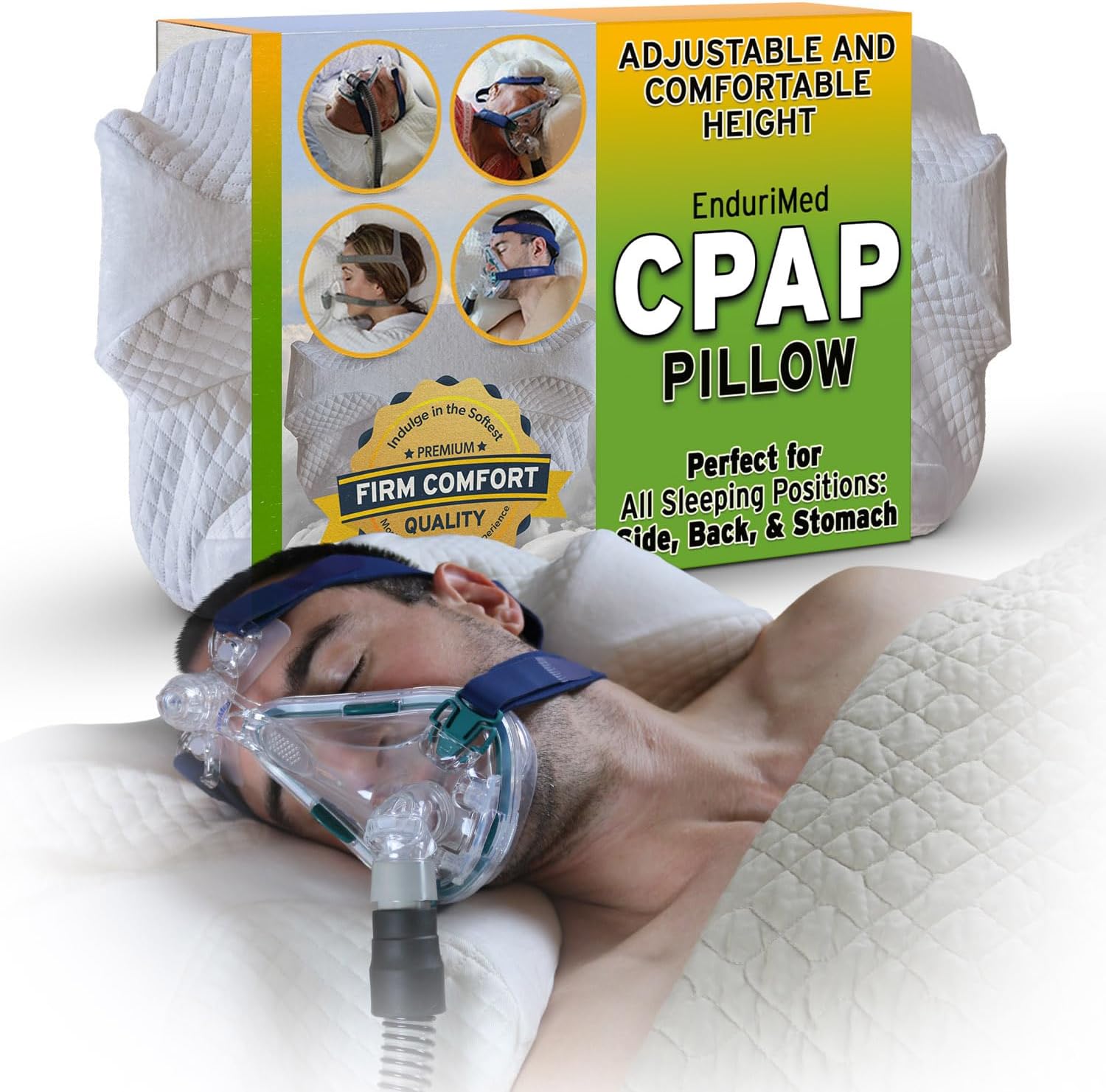
EnduriMed CPAP Pillow
An anti-snore/CPAP pillow-side option for readers deciding between mask-friendly head positioning and torso elevation.
Best for: CPAP users who need mask clearance near the face rather than a full upper-torso incline.
Why it fits this page: It belongs on the shaped-pillow side because it changes the head and mask contact area while leaving the rest of the body flat.
Tradeoff: Do not choose it if the goal is whole-torso elevation; that is the wedge side of this comparison.
Check current pricePick 2
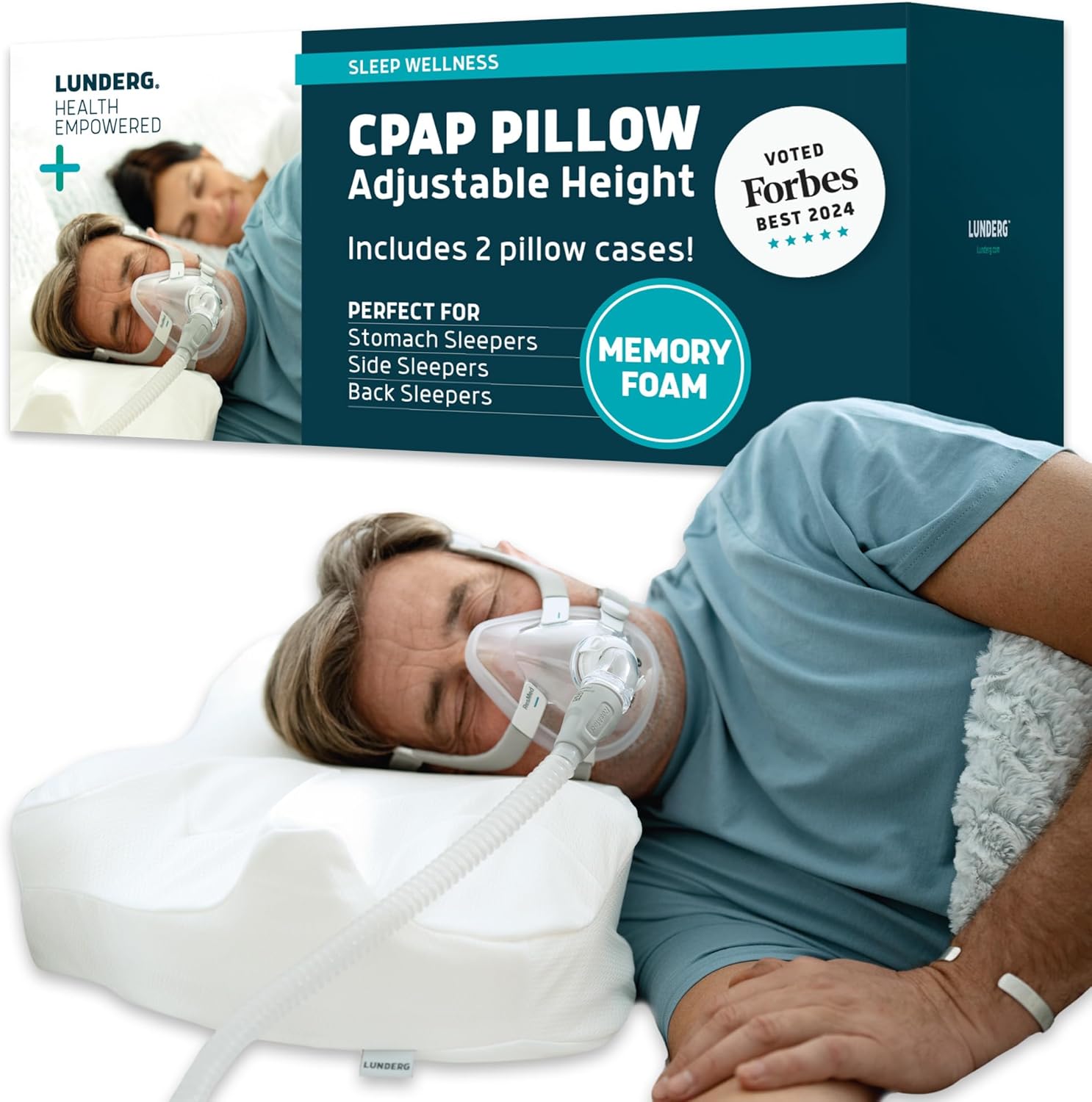
Lunderg CPAP Pillow
A CPAP pillow-side choice for readers who want softer side-positioning around a mask rather than a bed incline.
Best for: Sleepers whose practical problem is mask accommodation on a pillow, not raising the chest and shoulders.
Why it fits this page: It fits the anti-snore pillow side by focusing on face-level positioning and side-sleep space around CPAP equipment.
Tradeoff: Avoid it if you are comparing wedges for incline, because it will not create the torso angle a wedge provides.
Check current pricePick 3
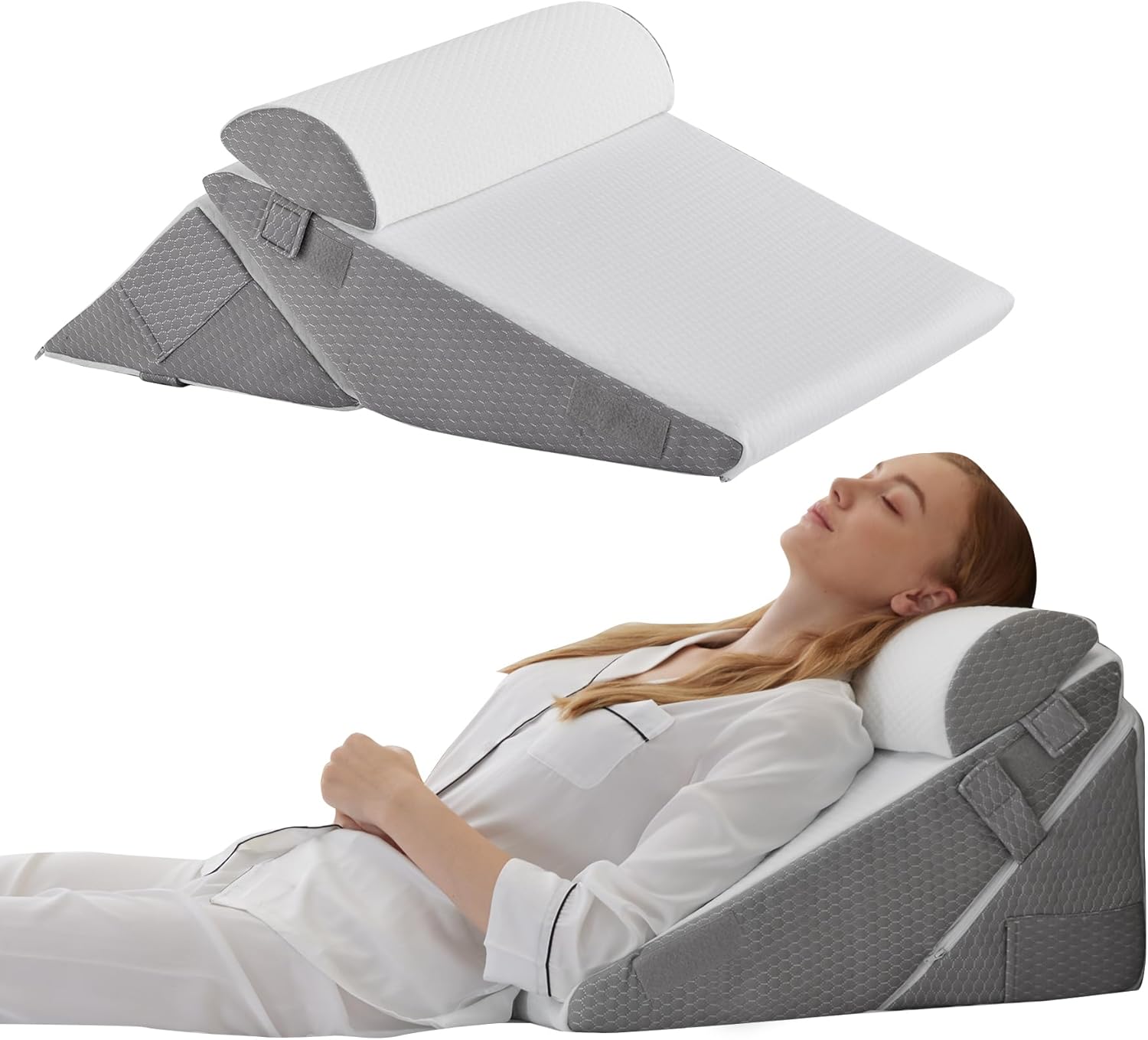
Bedluxe Wedge Pillow Headboard
A wedge-elevation option for readers who need an inclined torso rather than a shaped head pillow.
Best for: Shoppers who want a larger incline surface for reading, lounging, or elevated sleep positioning.
Why it fits this page: It represents the wedge side because the product changes body angle across the upper torso, which is a different mechanism from CPAP pillow cutouts.
Tradeoff: Skip it if the only problem is mask pressure or head-pillow shape, since its size and incline can be more change than needed.
Check current priceHow We Chose
We treated this as a mechanism comparison, not a product duel. Wedges were judged by incline, sliding, and sleepability; anti-snore pillows by head and neck support, side-sleep stability, and CPAP room. Both are limited to positional comfort support.
Torso elevation versus pillow shaping
Choose a wedge pillow when the comparison is about raising the upper body on a stable incline. Choose an anti-snore pillow when the better fit is head-and-neck shaping, side-sleep pillow comfort, or CPAP mask clearance without changing the whole bed angle.
Avoid a wedge if bulk, sliding, side-sleep shoulder pressure, or chin tuck makes the incline hard to keep all night. Avoid a standard anti-snore pillow if the real need is torso elevation, because a shaped head pillow cannot create the same slope from the upper body.
The failure mode to watch is mechanism mismatch. If the product solves the wrong problem, it may look relevant to snoring but still disappoint. Keep expectations careful and do not treat either pillow type as a guaranteed snoring solution.
If incline still seems useful, compare wedge pillow options for side sleepers who snore.
If wedge bulk is the problem, review non-wedge snoring pillow options.
FAQ
- When is a wedge pillow the better snoring option?
- A wedge is the better option when lying flat appears to worsen snoring and a gentle upper-body incline is sleepable. It is less useful when the main issue is CPAP mask room, side-sleep head support, or a pillow that collapses.
- When is an anti-snore pillow the better fit?
- An anti-snore pillow is the better fit when the sleeper needs steadier head height, side-sleep positioning, or space around CPAP gear without raising the whole torso. It should match the actual posture problem.
- What is the biggest comparison mistake?
- The biggest mistake is choosing by product label instead of mechanism. Wedges, CPAP pillows, and shaped anti-snore pillows solve different positioning problems and none should be treated as a cure for snoring.
More Snoring Guidance
For the full set of related product picks, comparisons, and setup guides, return to the main topic hub.
Browse all Snoring sleep guides